Citadel CulebraJoin
Citadel Culebra

School of Reptilia · Faculty Overview · Class of 2026

Help build the institutionthe reptile communityhas never had.

For generations, the reptile community has been built by people like you: keepers, breeders, educators, zoological professionals, researchers, and conservationists who learned through experience. Your work helped create the standards, techniques, and understanding that shape the field today.

Citadel Culebra was created to preserve that knowledge, organize it into a lasting institution, and pass it forward to future generations. As founding faculty, you are helping establish a permanent home for the experience you have earned and the field you helped build.

Founding Faculty · Class of 2026First courses launch June 2026
// Why now

The people who built this field deserve to be known before their knowledge disappears.
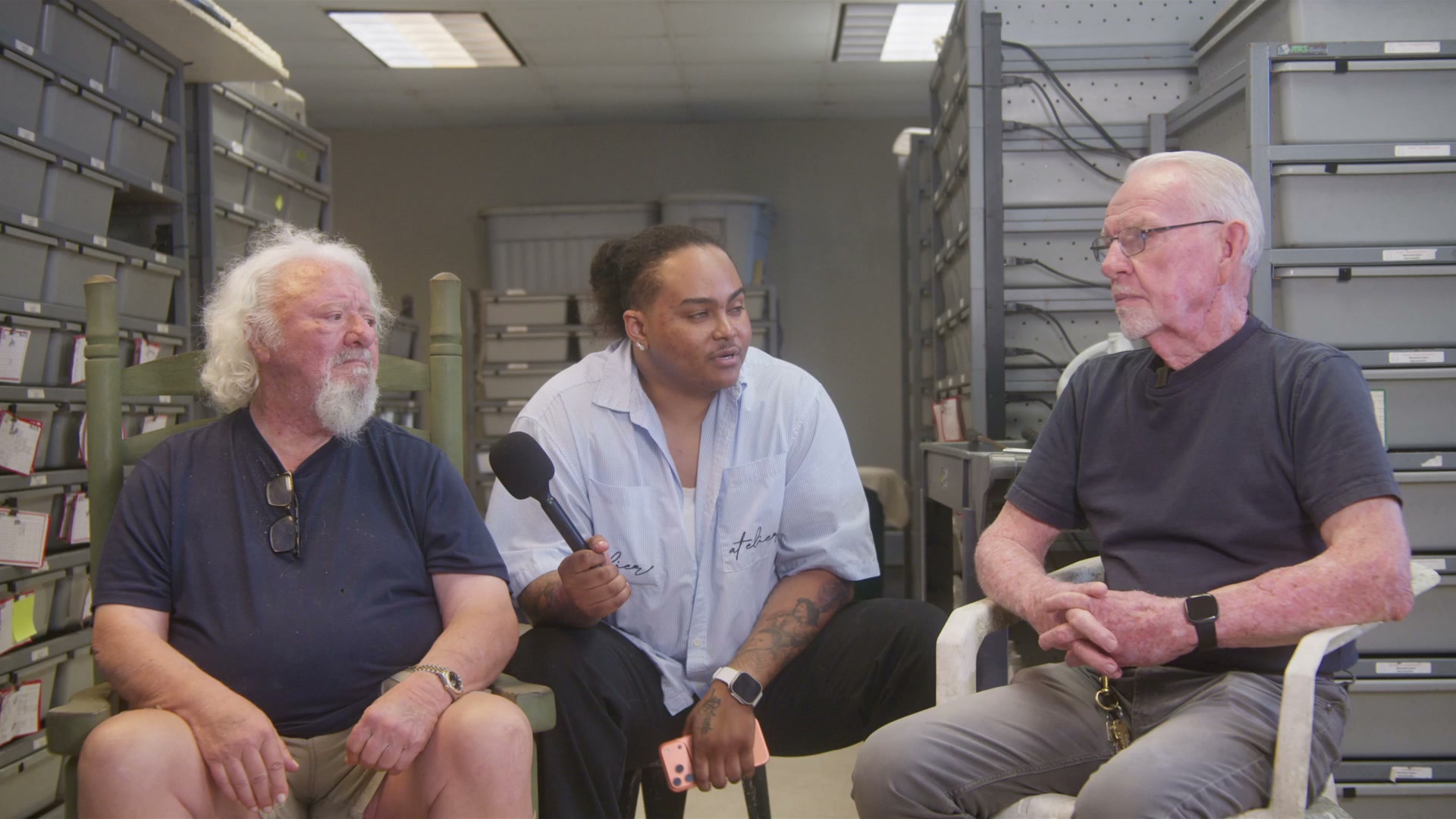
Every serious field has a pathway. Reptile keeping still does not have one clear, trusted place where people can learn the standard, understand the lineage, and find the right voices before mistakes become animals lost, keepers discouraged, or laws written against the whole community.
Some of the most important reptile knowledge lives with people who earned it slowly: breeders, keepers, venomous professionals, crocodilian experts, zoological operators, researchers, conservationists, educators, and species specialists who learned through repetition, failure, patience, and responsibility.
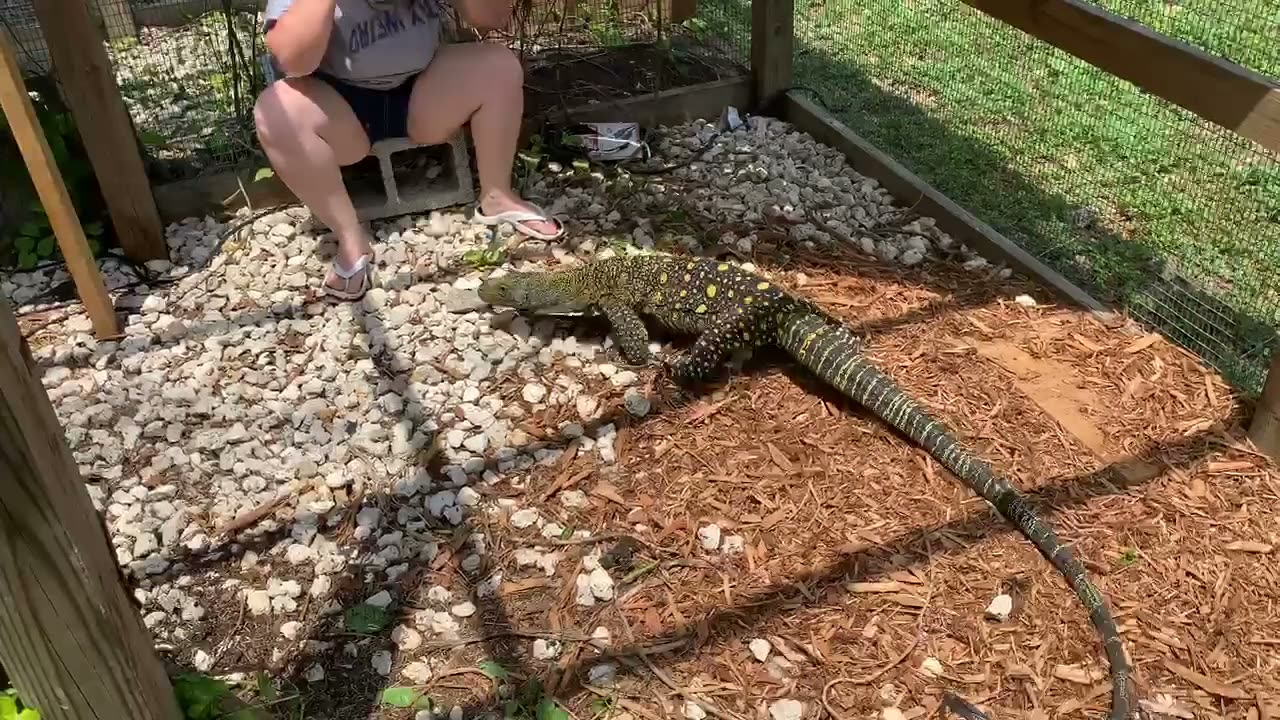
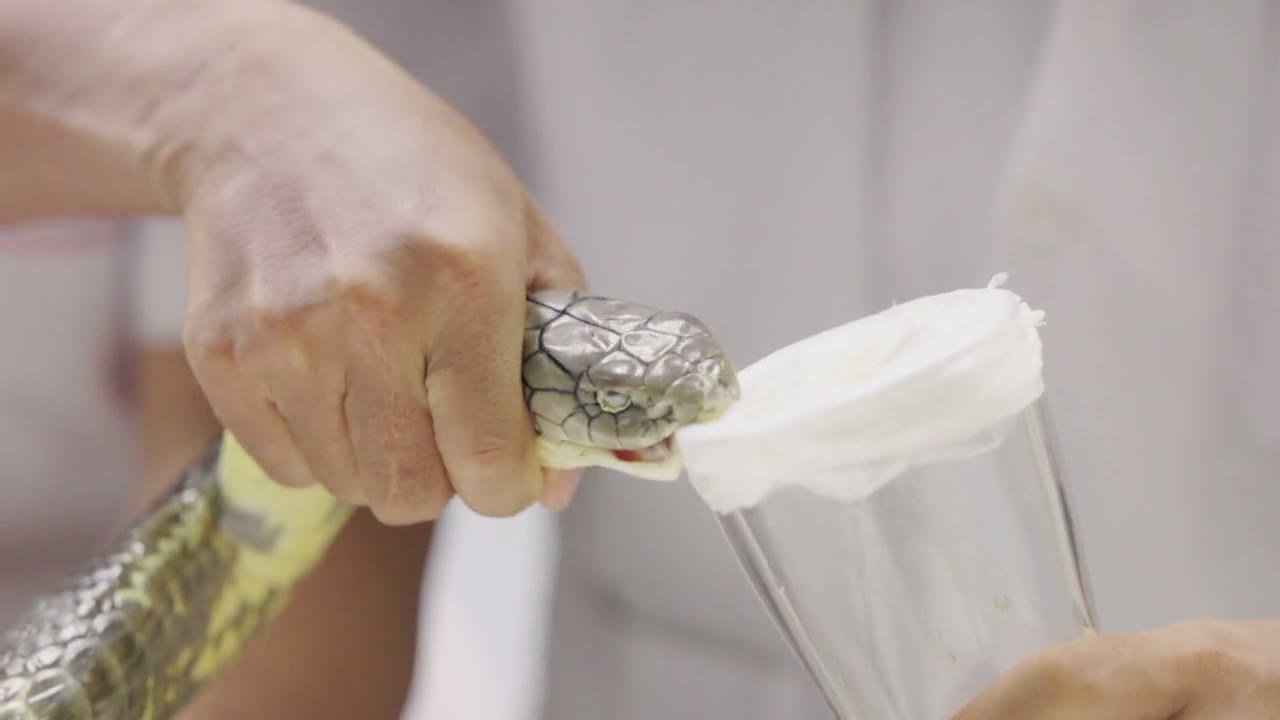
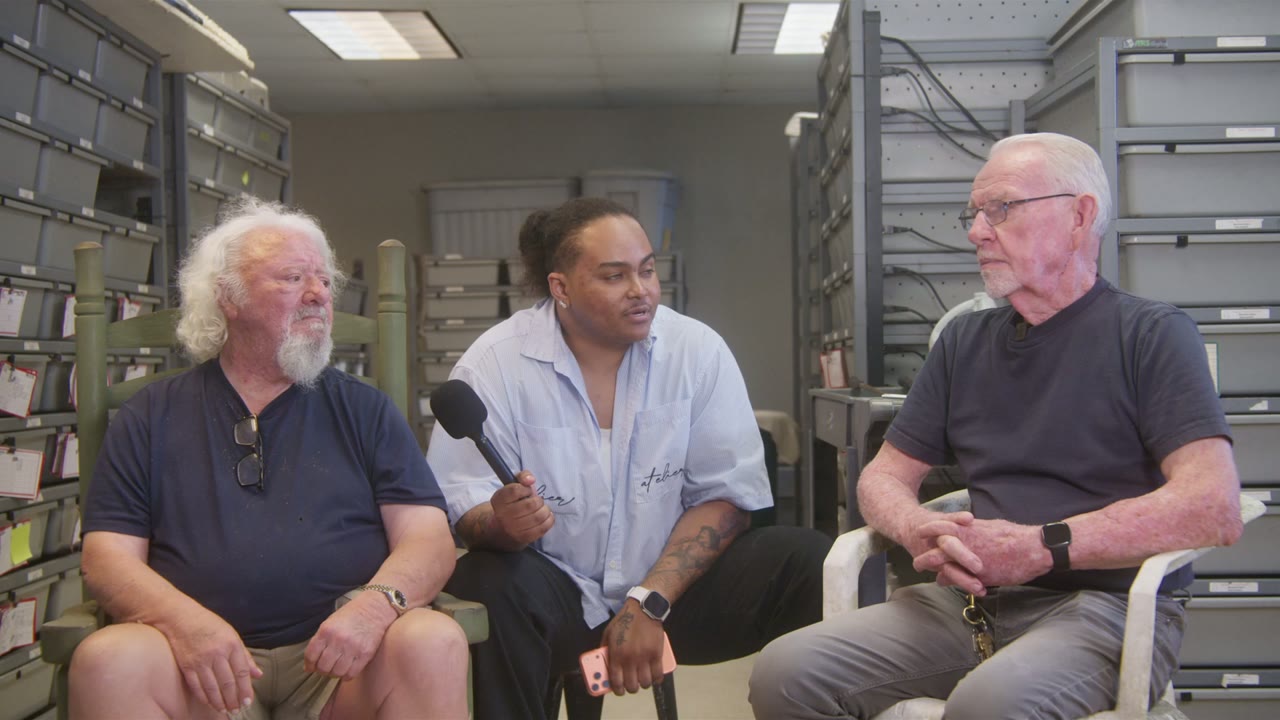
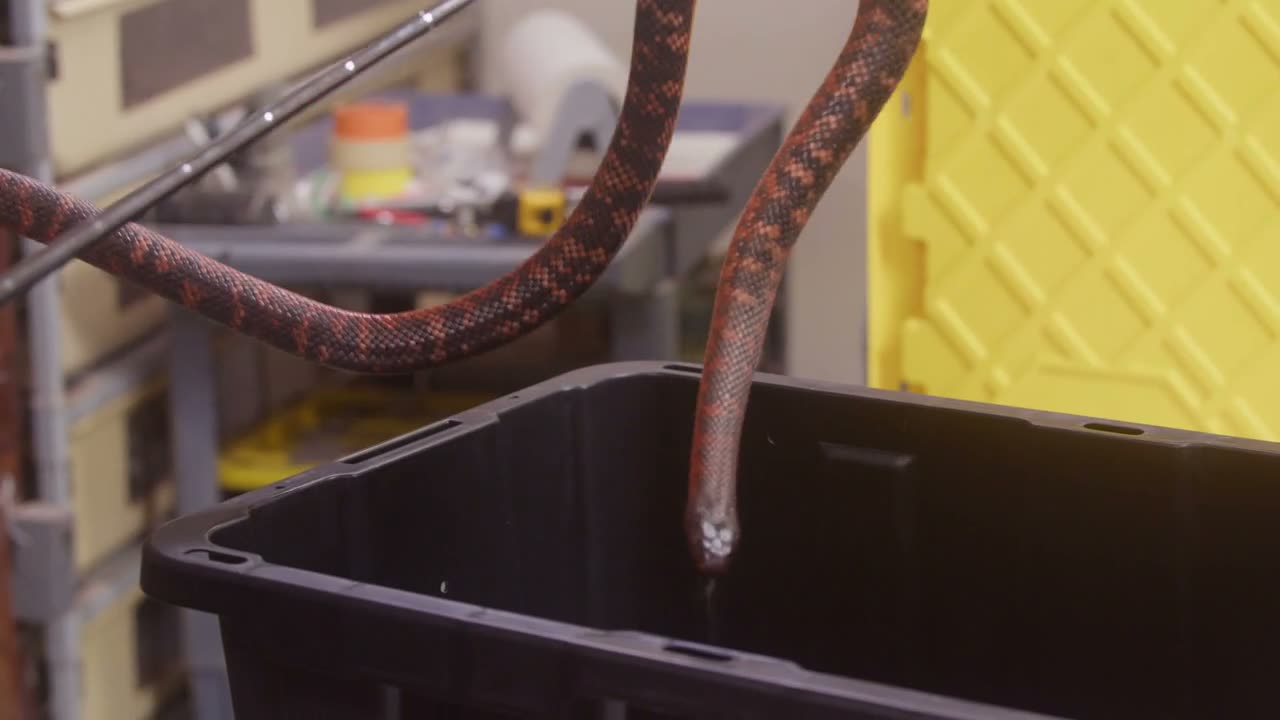
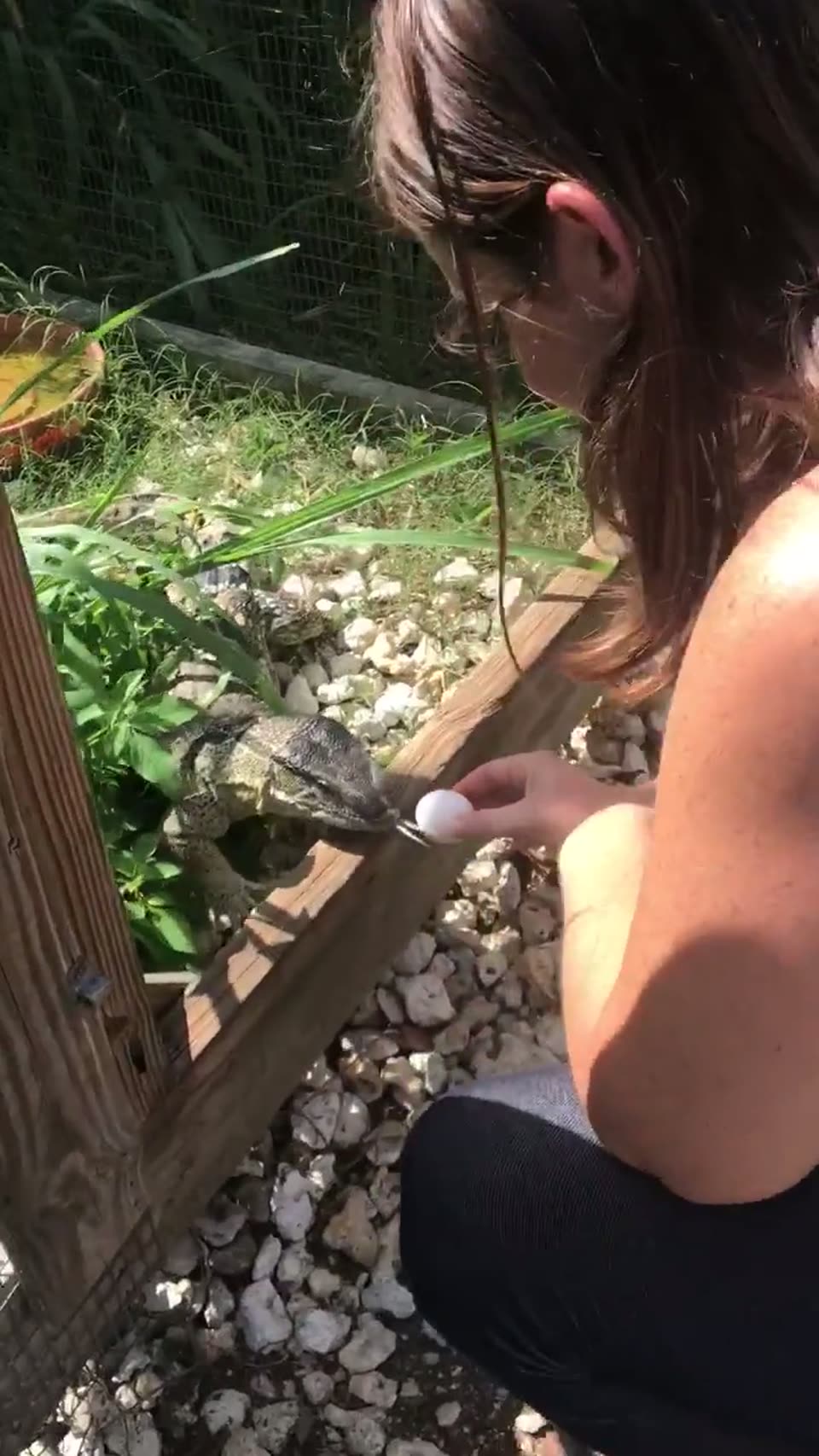
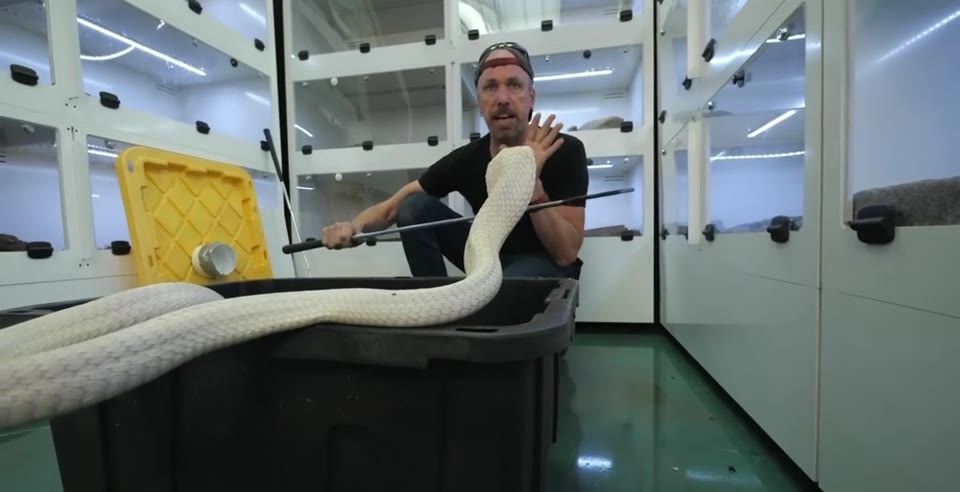
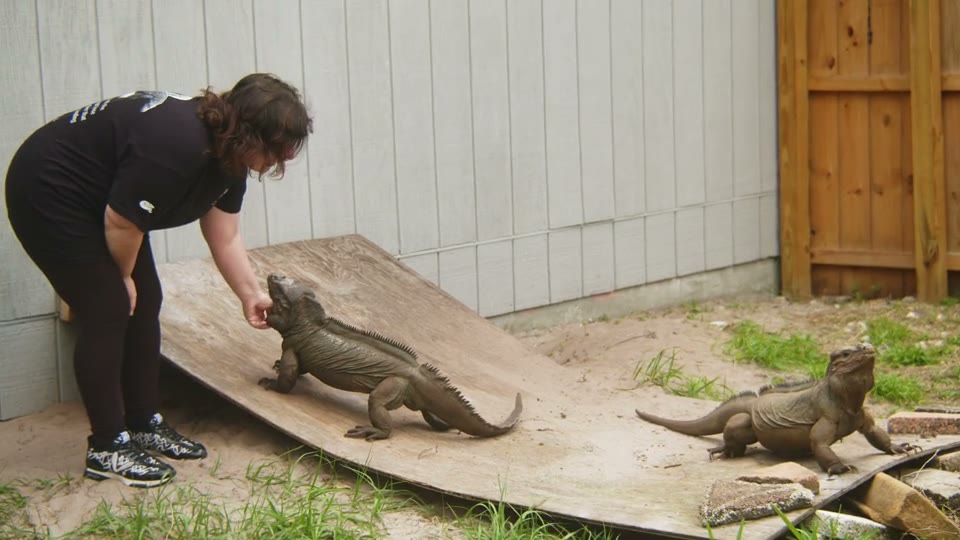
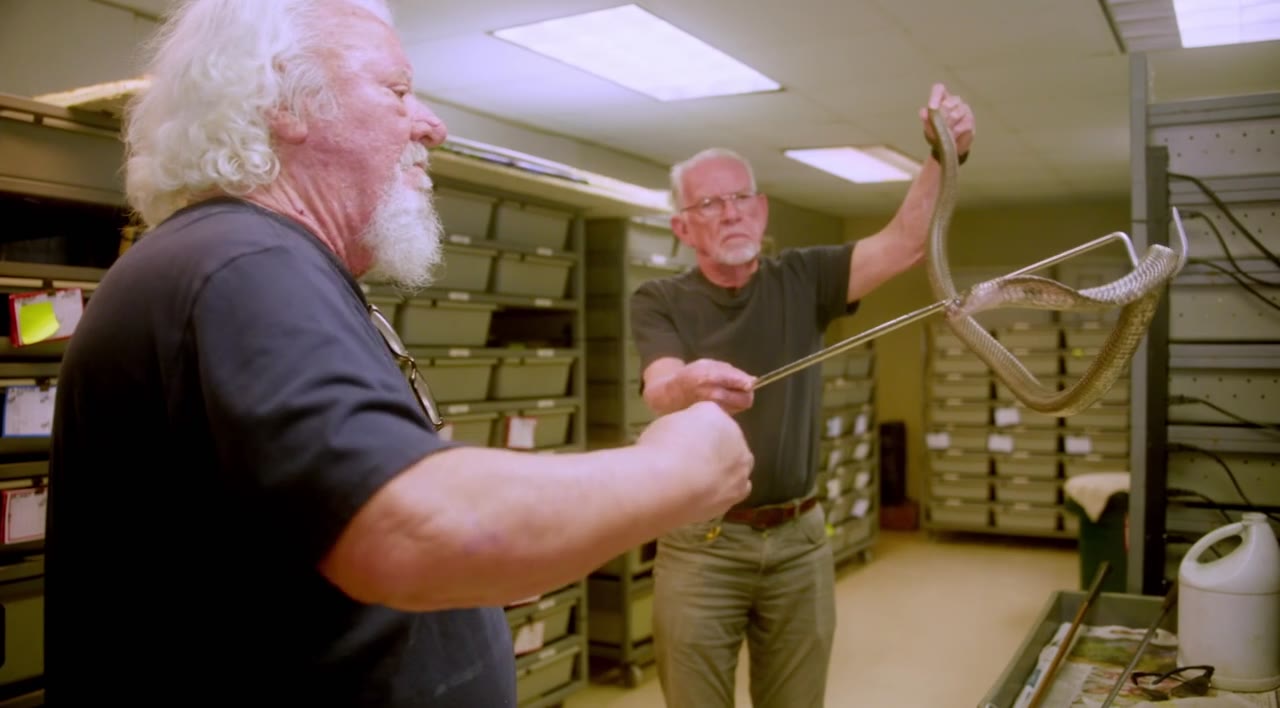
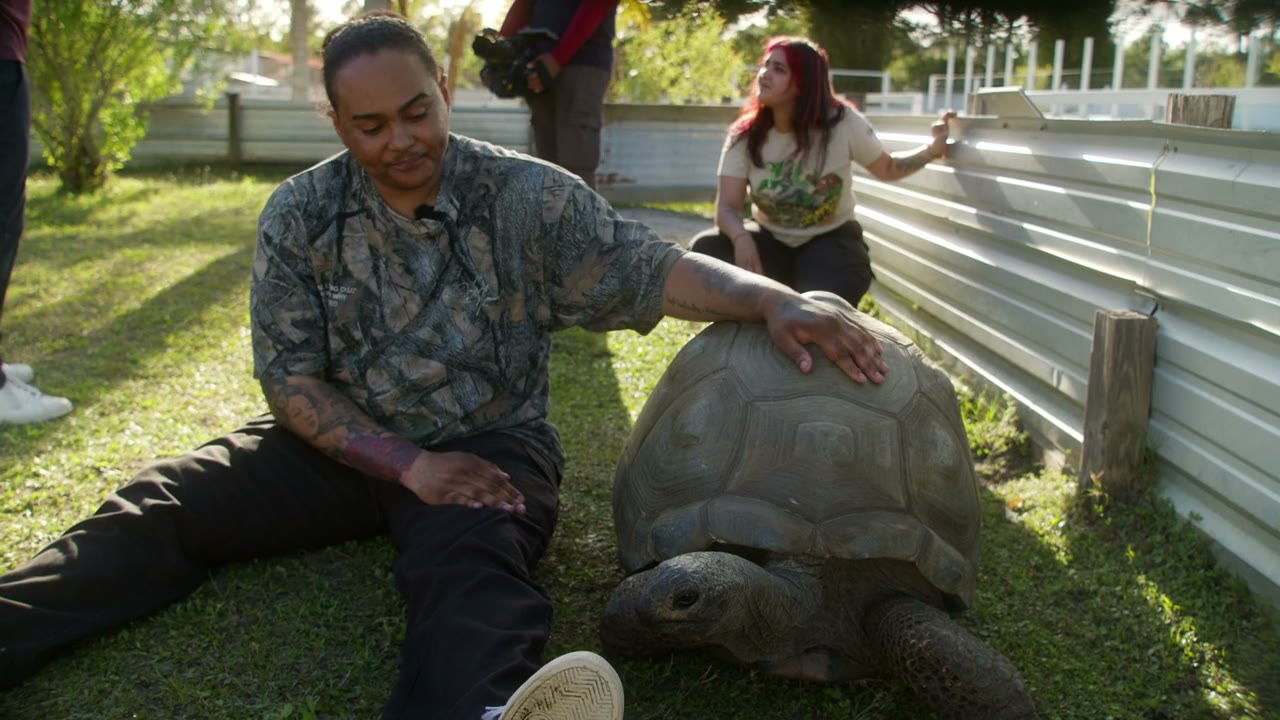
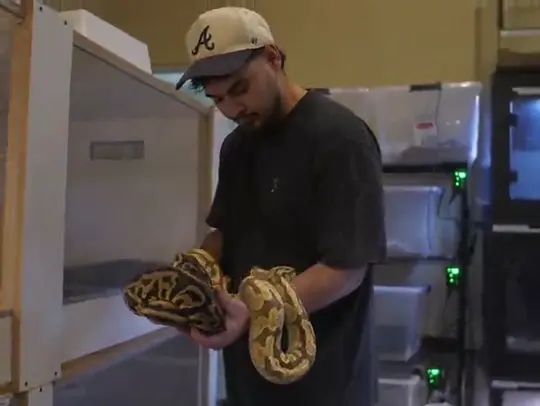
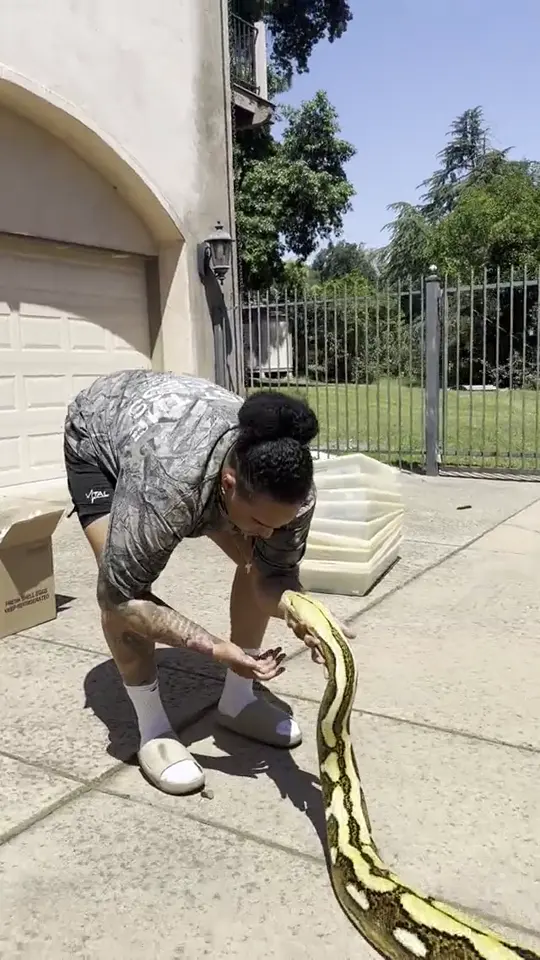
Real reptile husbandry media

The knowledge behind the glass

A field with real risk needs a real path.
Pioneers
Standards
Responsibility
Specialized work
50M
keepers worldwide
Decades
of practice, still undocumented
One
institution to preserve it
// Media woven through the mission

The people, the work, the lineage.
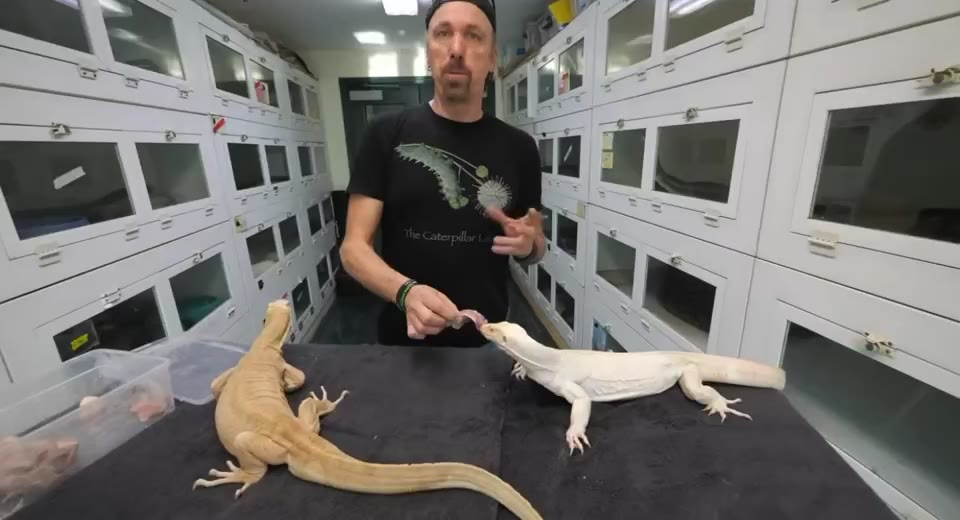
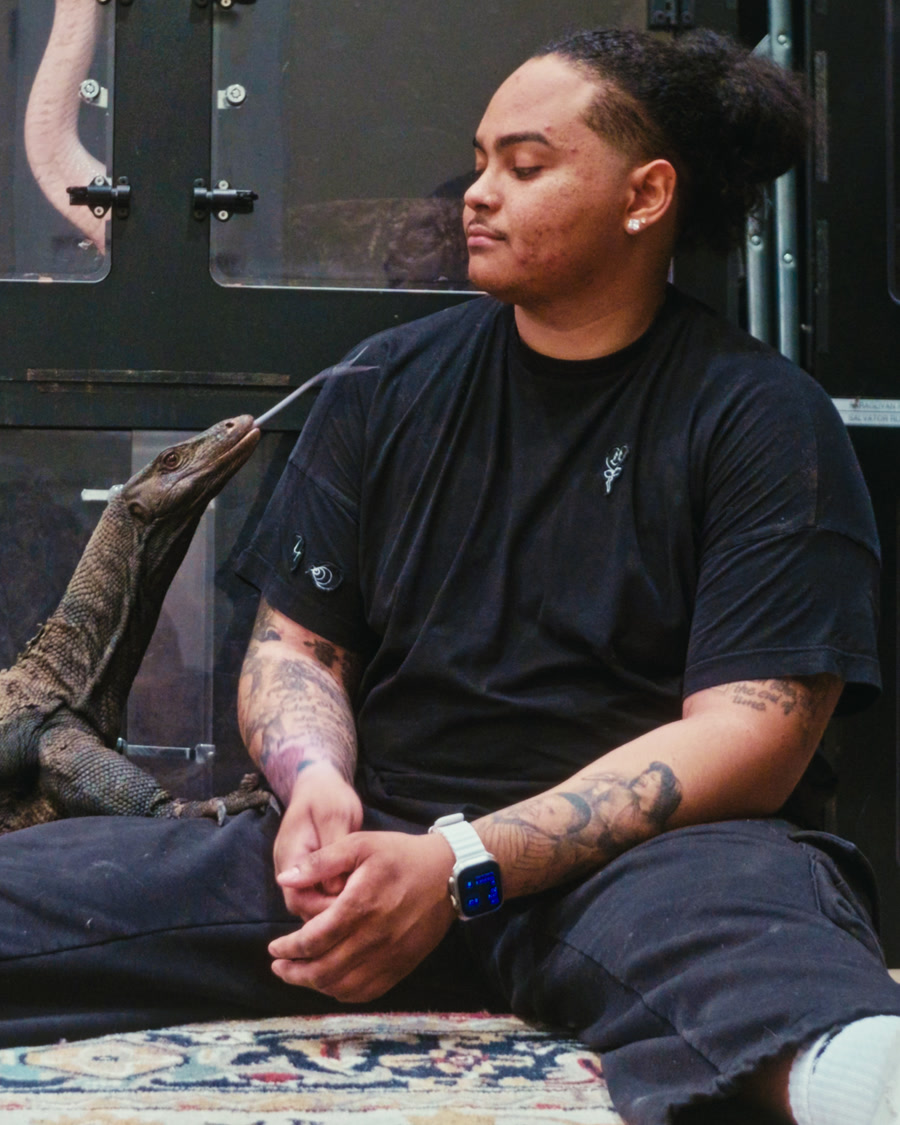
The Citadel has to feel grounded in the field it is being built to serve. The work should speak before the pitch does, because the credibility of this institution comes from the people who have earned the knowledge and the animals, facilities, and standards behind that knowledge.

Kevin McCurley

Tom Crutchfield

George Van Horn
Stacy Crutchfield
Dr. Steve Dinkelacker
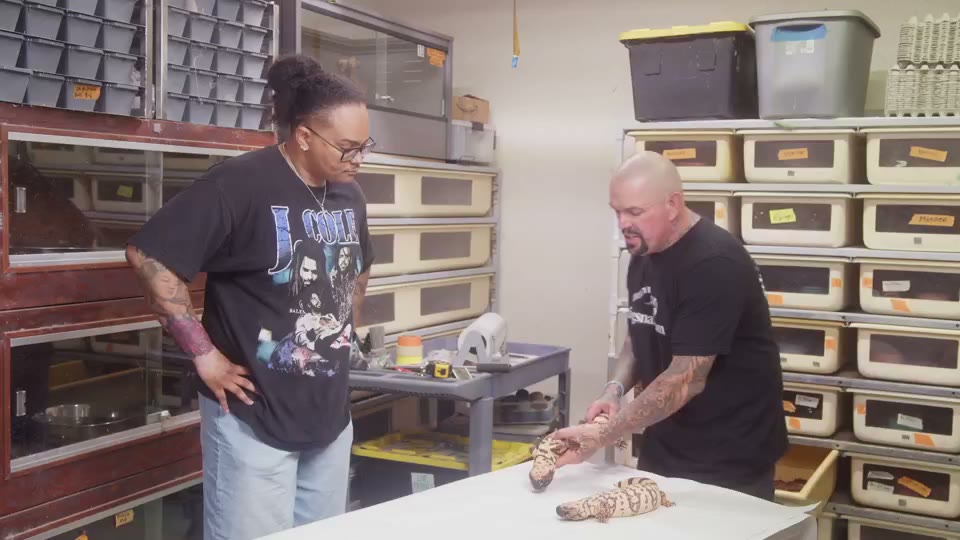
Dr. Steve Dinkelacker

Steve Angeli

Ty Park
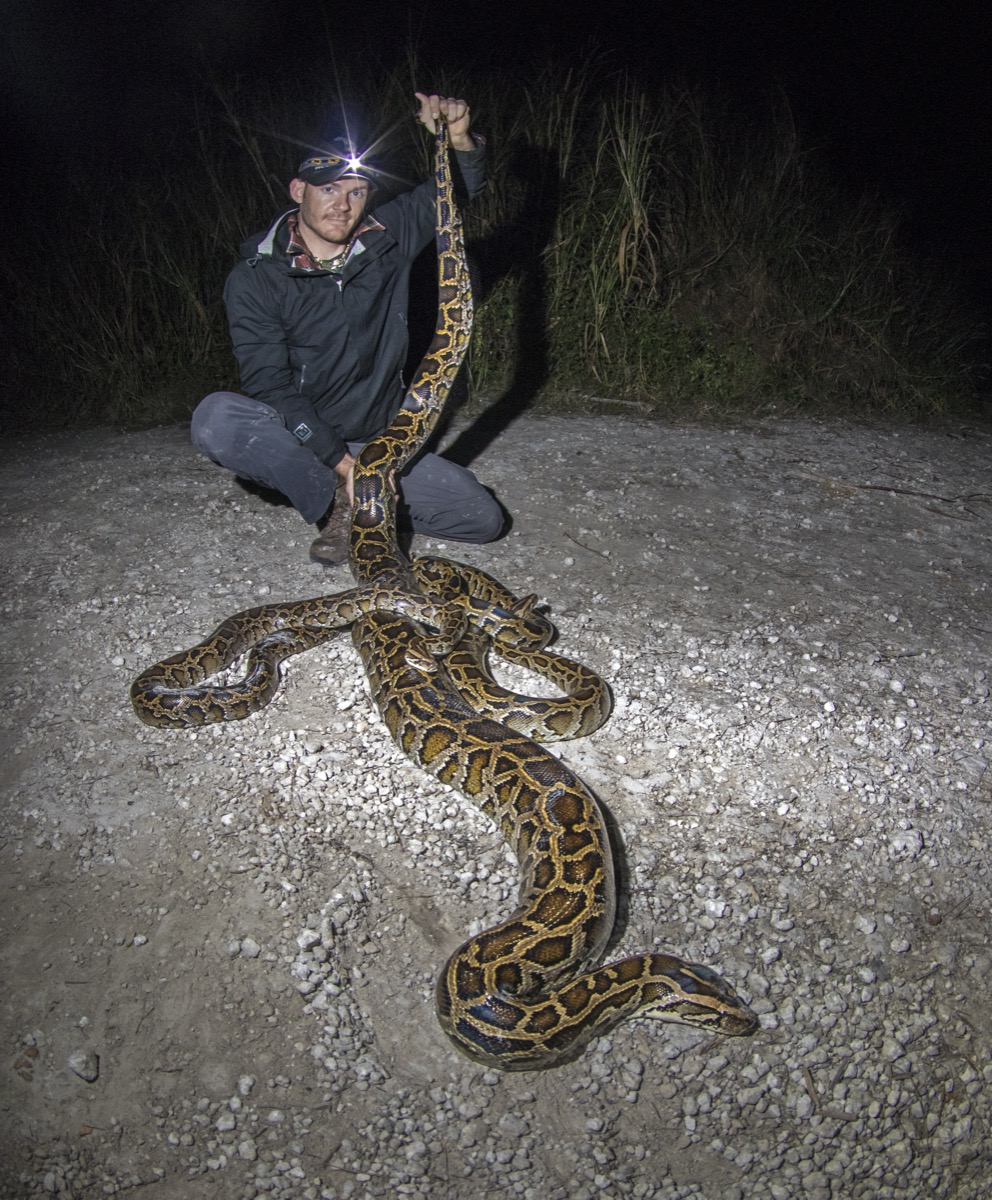
Chris Gillette
Chris Gillette

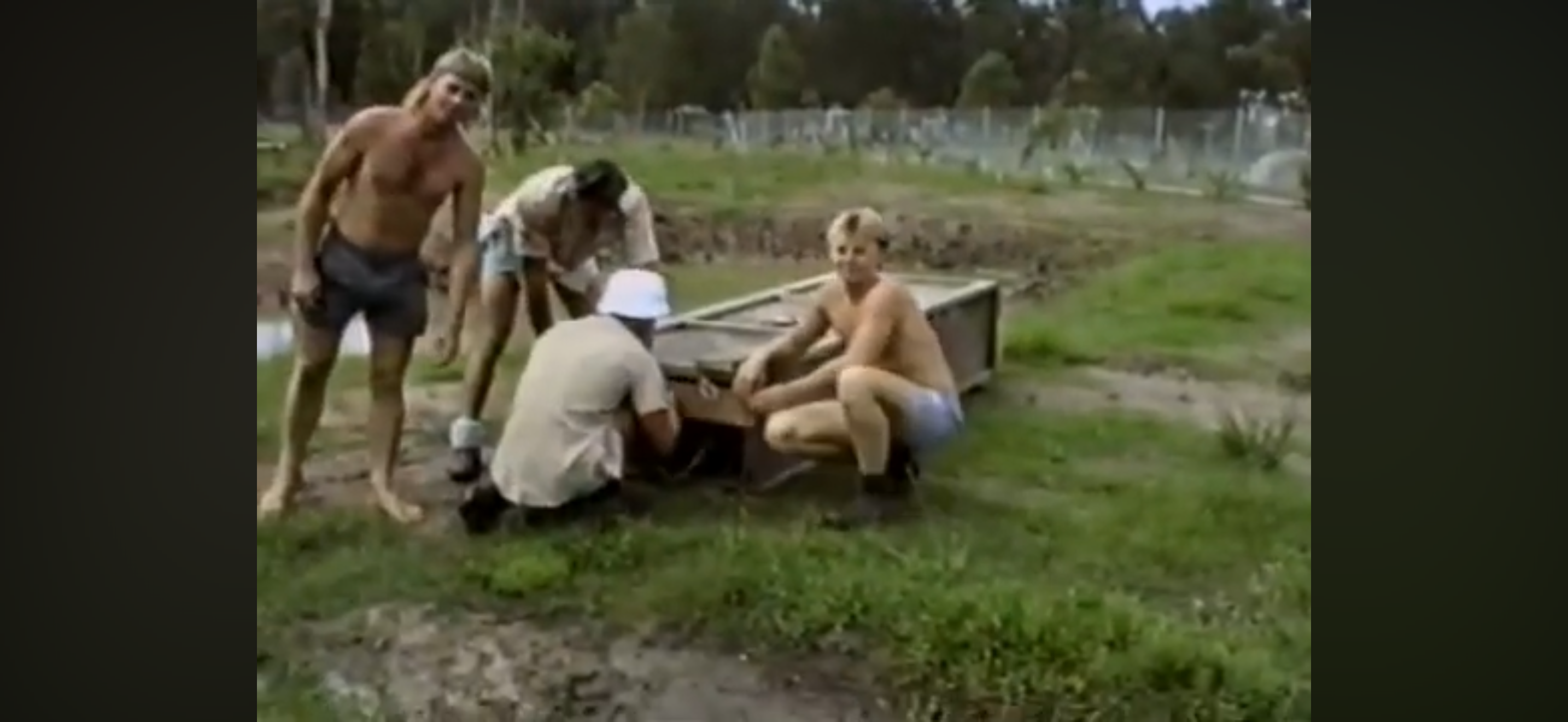
Steve Irwin & Wes Mannion

Steve Irwin & Wes Mannion

// The chain of knowledge

Knowledge only survives when someone chooses to pass it down.

The reptile world was not built in a classroom alone, and it was not built in private collections alone. It was built through both: academic study, field experience, breeding facilities, zoological institutions, mentorship, trial and error, and people who dedicated their lives to understanding animals most of the world misunderstood.
That is why the Citadel has to respect every serious source of knowledge. Academia matters. Research matters. PhDs matter. People like Dr. Steve Dinkelacker are essential because they bring scientific discipline, academic structure, and real-world reptile experience together. He is not studying these animals from a distance; he is breeding them, handling them, working with larger species, teaching students, and living the work from multiple angles.

A living chain

Knowledge survives when someone chooses to carry it forward.
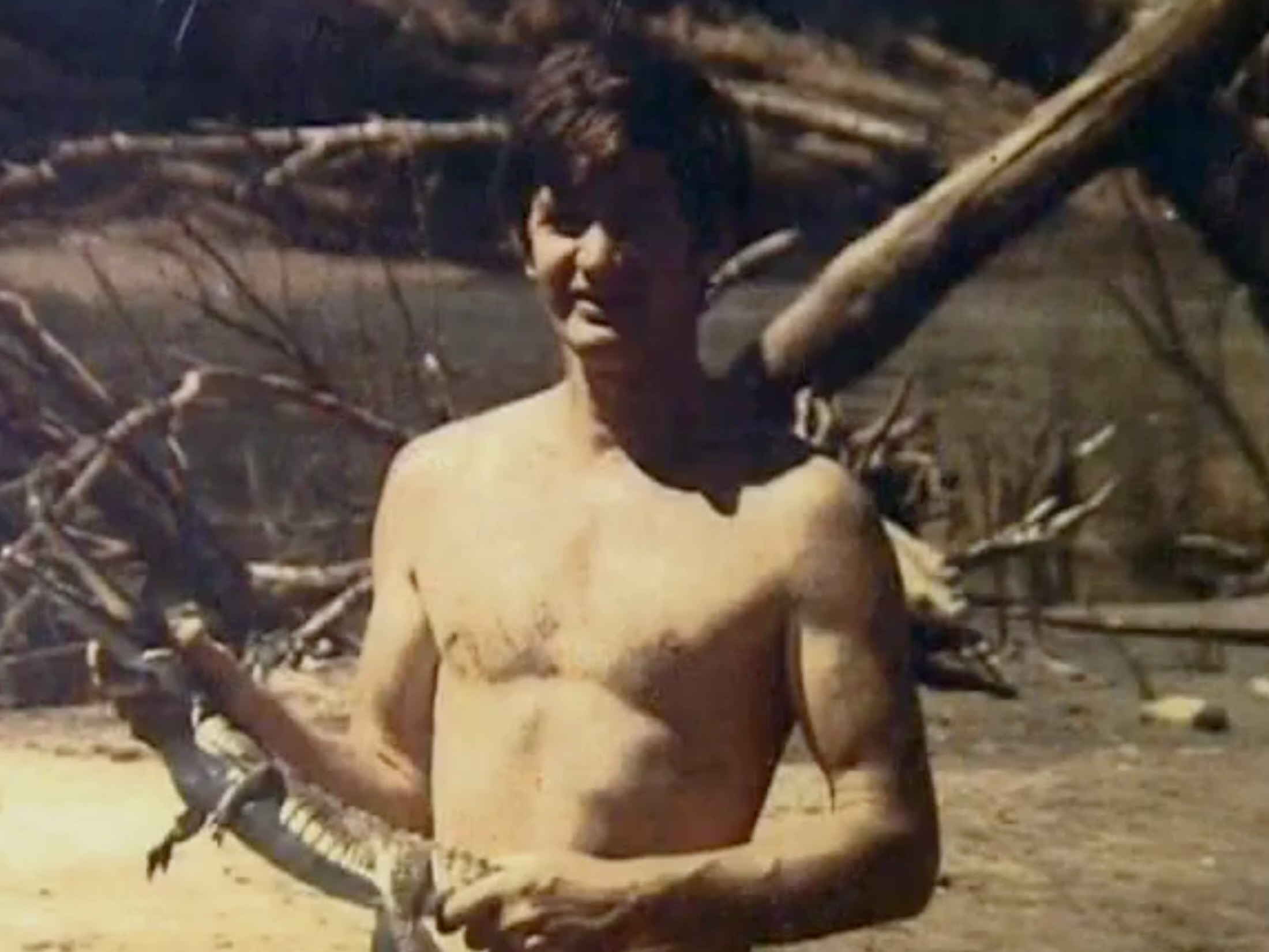
Bob Irwin
Bob Irwin
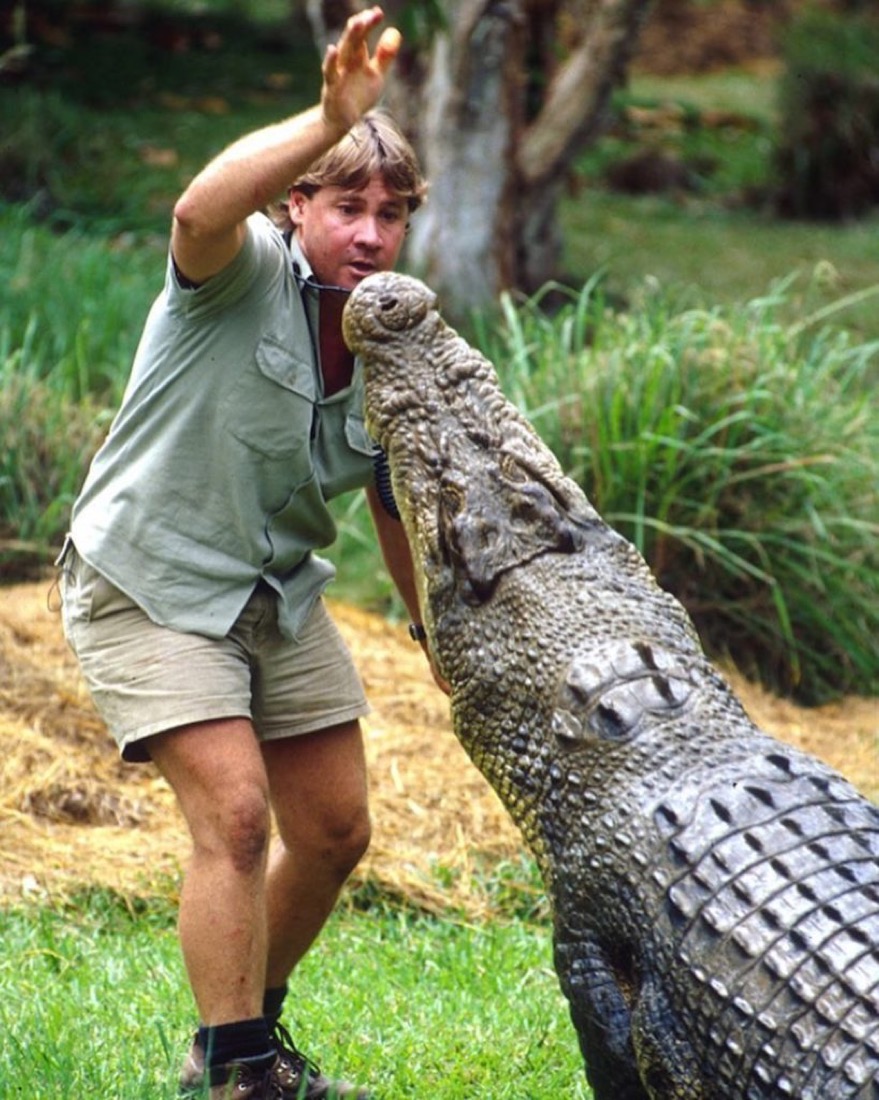
Steve Irwin
Steve Irwin
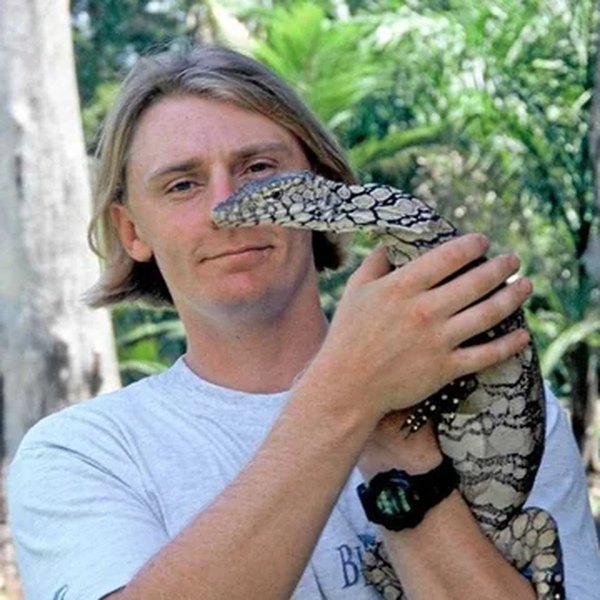
Wes Mannion
Wes Mannion
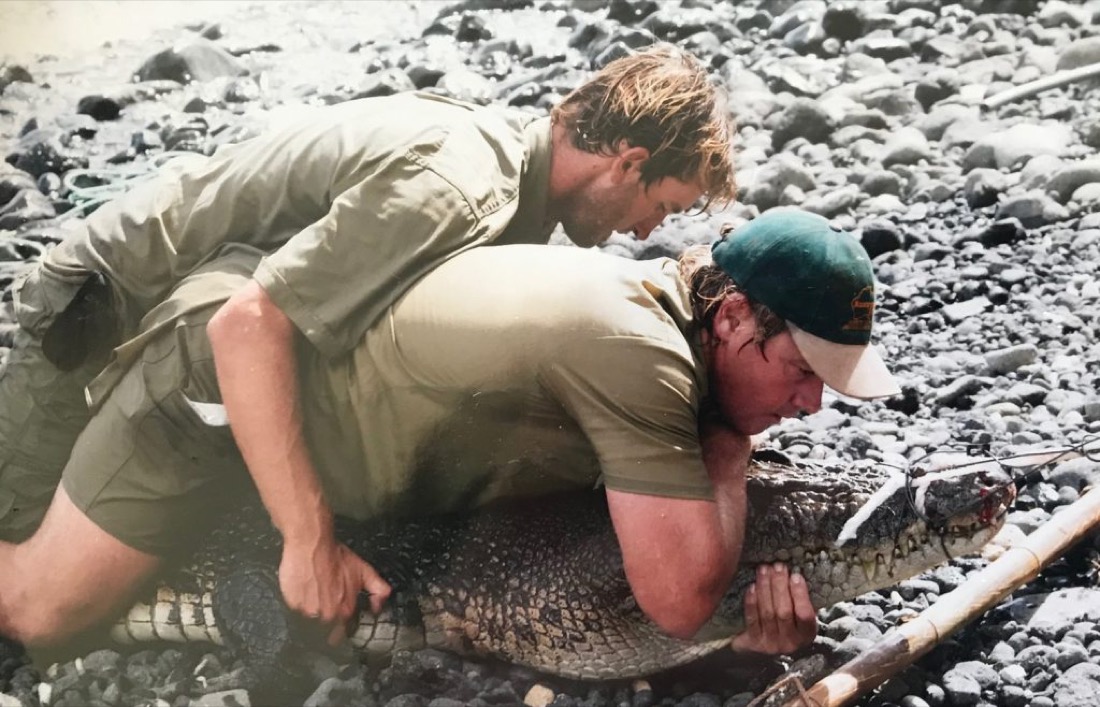
Brian Coulter
Brian Coulter
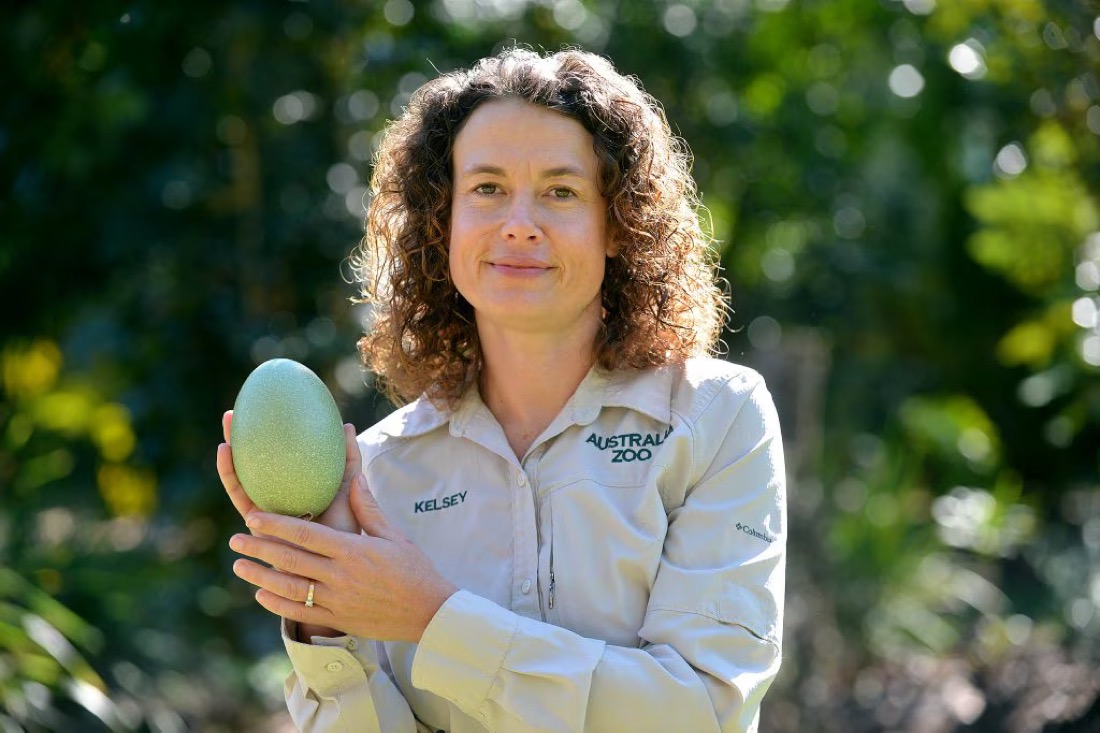
Kelsey Engle
Kelsey Engle
Toby Millyard
Toby Millyard

Preserve the past.

Advance the present.

Inspire the future.

// What we're preserving

The standards, stories, and skill that built the reptile world.
The Citadel is not built around celebrity. It is built around knowledge, standards, and lived experience. This section focuses on the people already confirmed in the work: the voices whose knowledge, approval, and participation are helping form the foundation now.
Tom Crutchfield

Tom Crutchfield

Crutchfield Reptiles

George Van Horn

George Van Horn

Reptile World Serpentarium
Ty Park

Ty Park

Iguanaland

Kevin McCurley

Kevin McCurley

NERD

Stacy Crutchfield

Stacy Crutchfield

Crutchfield Reptiles

Dr. Steve Dinkelacker

Dr. Steve Dinkelacker

Senior Advisor & Curriculum Authority
Steve Angeli

Steve Angeli

Heloderma Angeli

Chris Gillette

Chris Gillette

Wildlife & Zoological Operations

This is the point of the Citadel. The confirmed faculty gives the institution its foundation: people already helping preserve knowledge, raise standards, protect the animals, and give the next generation a real path forward.
// The Citadel method

Your expertise is the contribution. Everything else is our responsibility.

Faculty should not have to become production companies, curriculum teams, editors, publishers, or full-time forum moderators. You bring the knowledge. The Citadel structures it, documents it, packages it, facilitates the community, and protects your time.
01

Digital courses with every faculty member

02

Ebooks, interviews, and written knowledge

03

We document the work you already do

Braxton Warren does most of the legwork: structuring the curriculum, building the objectives, organizing the outlines, shaping the lesson flow, and preparing supporting materials. Kevin McCurley and Dr. Steve Dinkelacker both review and approve the academic direction, and the course instructor reviews, corrects, and approves their own course before anything is published. We will also lean on any faculty member who wants to contribute. When more than one approach works and is healthy for the animals, the curriculum should present those responsible perspectives instead of pretending there is only one right way.
// Education & conservation

Education creates conservation. Responsible keeping keeps the door open.
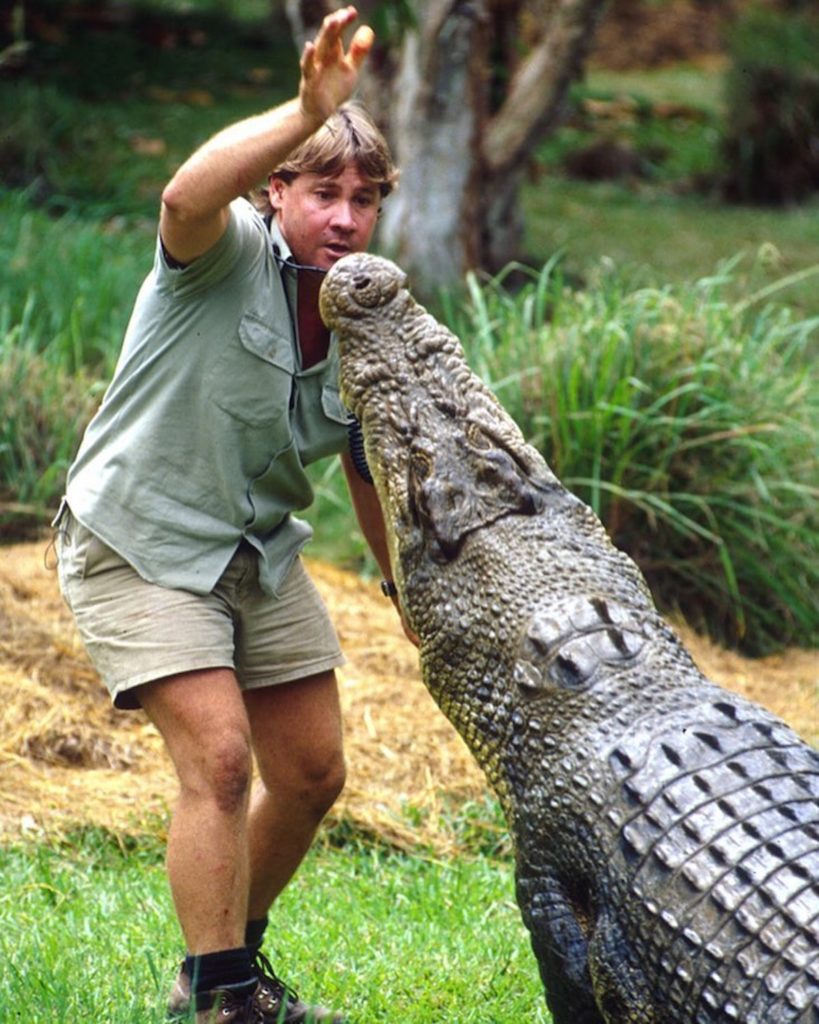
Every meaningful conservation effort begins with understanding. People protect what they understand, and they care more deeply for animals when they know how those animals live, behave, and fit into the world. The deeper a keeper's understanding becomes, the better they can serve the animals in their care and the more responsibly they can move through the reptile world.
Crocodilian work
Steve Irwin
Steve Irwin
Wes Mannion
Wes Mannion
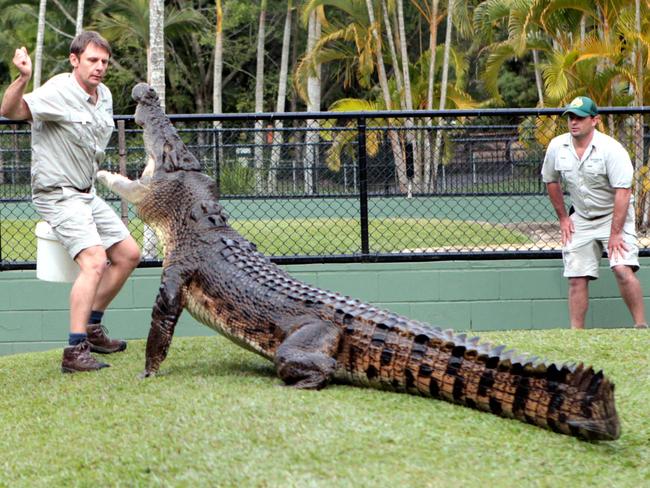
In the field
01
Responsible keeping matters first because the animals deserve it. That part is obvious. But it also matters for the future of the entire hobby, industry, and conservation movement. When people do not understand the animals they keep, problems follow: frustration, poor husbandry, unsafe handling, preventable illness, surrendered animals, dead animals, and people leaving the reptile world altogether.
Legacy
Legacy
Education through proximity

The responsibility we share

Every generation inherits knowledge from those who came before it, and every generation has a responsibility to leave something better behind. The Citadel's role is to preserve that knowledge, organize it, and make it easier for people to act responsibly with the animals they care about. Better education means better keepers. Better keepers mean better outcomes for animals, stronger public trust, fewer preventable mistakes, and a healthier future for the reptile world.

Citadel Culebra is an independent institution. It is not affiliated with, endorsed by, or operated in partnership with Steve Irwin, the Irwin family, Australia Zoo, or any Steve Irwin estate or charity. Tribute and advocacy only. All trademarks belong to their respective owners.

// Honoring the pioneers

Building on foundations we did not create.
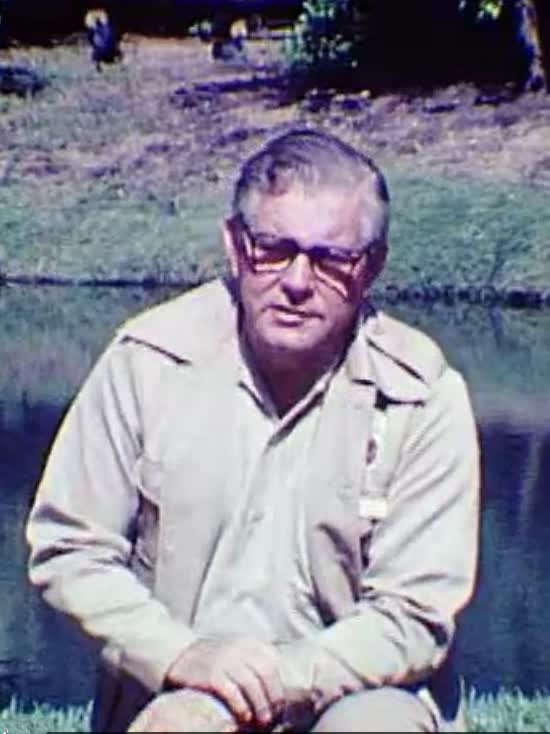
Every field has people who helped shape it — people who took risks before there was a roadmap, who made mistakes, solved problems, challenged assumptions, and spent decades developing the knowledge that others now benefit from. The reptile community is no different.
Why it matters
Honoring pioneers is not about nostalgia. It is about continuity. Every generation inherits knowledge from the generation before it, and the more clearly we understand that lineage, the stronger the foundation becomes for those who follow. When we preserve the lessons, successes, failures, and experiences of those who came before us, we give future keepers a better place to begin. That is how fields mature. That is how institutions endure. That is how knowledge survives.
In recognition
The Citadel proudly recognizes the contributions of the keepers, breeders, educators, researchers, conservationists, zoological professionals, and wildlife advocates whose work helped shape the modern reptile community. Some are no longer with us; others are still actively contributing today. All of them have helped move this field forward. Their legacy is larger than what they accomplished in their own lifetime; it is what future generations can keep building because of it.
Ross Allen
01
In memoriam

Ross Allen

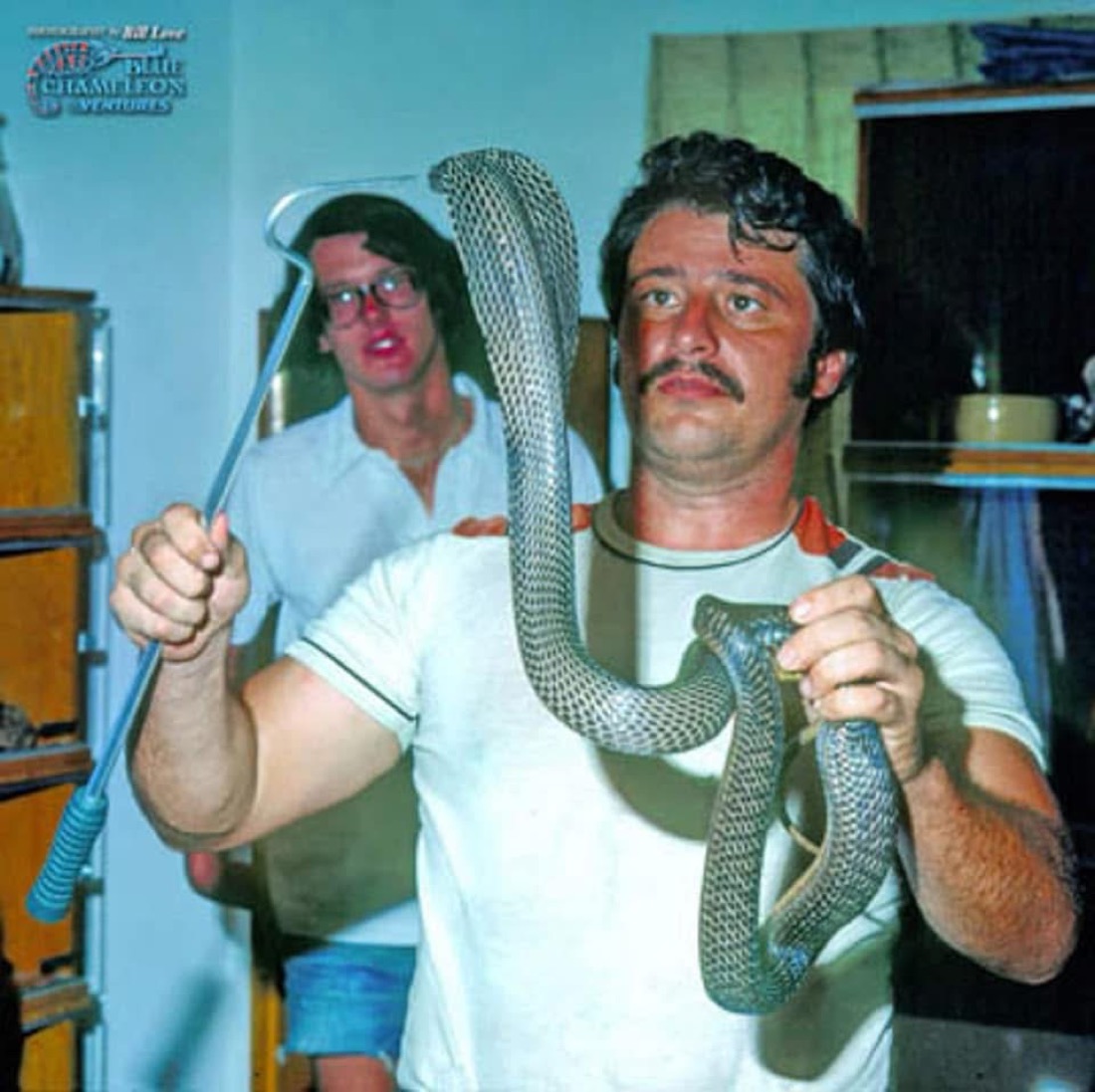
Founded his Reptile Institute in 1929; early venom, reptile education, and antivenom work the field still builds on.
Bill Haast
02
In memoriam

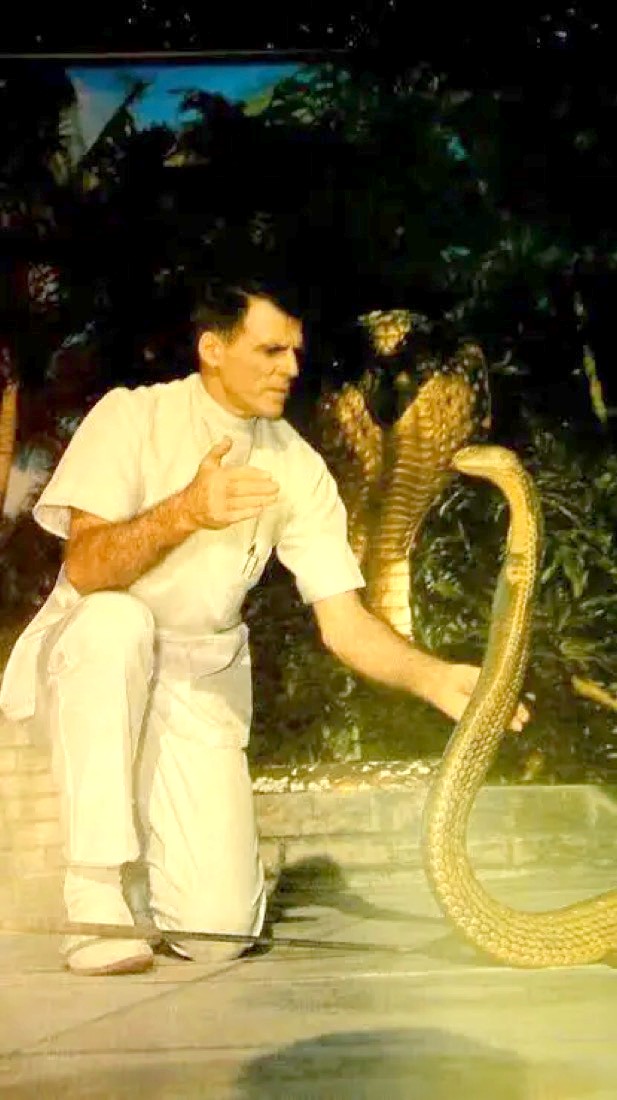
Bill Haast

Six decades of venom research, serpentarium work, and public education that advanced understanding still relied on today.
Eric Worrell
03
In memoriam

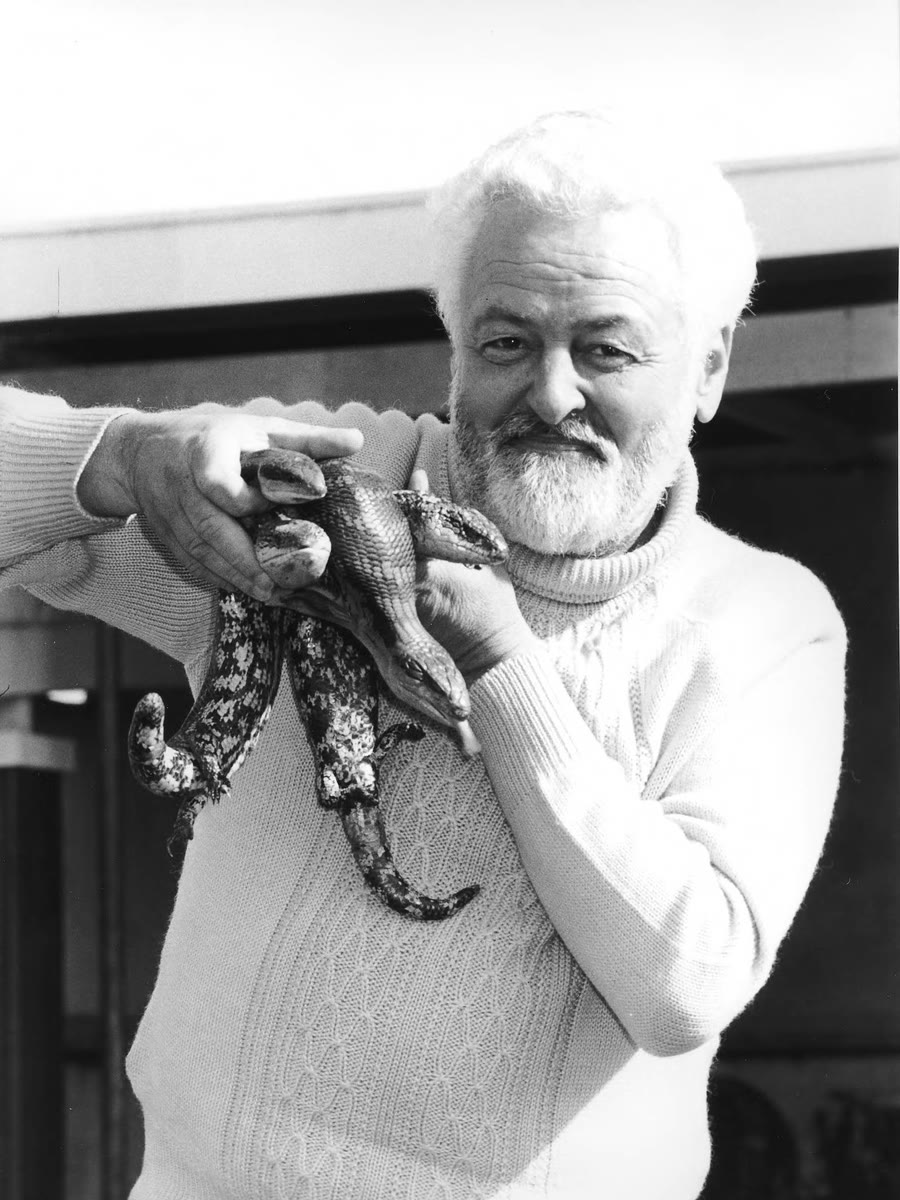
Eric Worrell

Founded the Australian Reptile Park and built the venom program behind Australia's antivenoms; supplied tiger snake venom to CSL from 1951, work the country still depends on.
Photograph Gwen Dundon · Courtesy of Central Coast Council
George Van Horn
04
Still contributing

George Van Horn

A lifetime of venomous reptile work, venom extraction, public education, safety, and discipline around animals that demand respect.
Tom Crutchfield
05
Still contributing

Tom Crutchfield

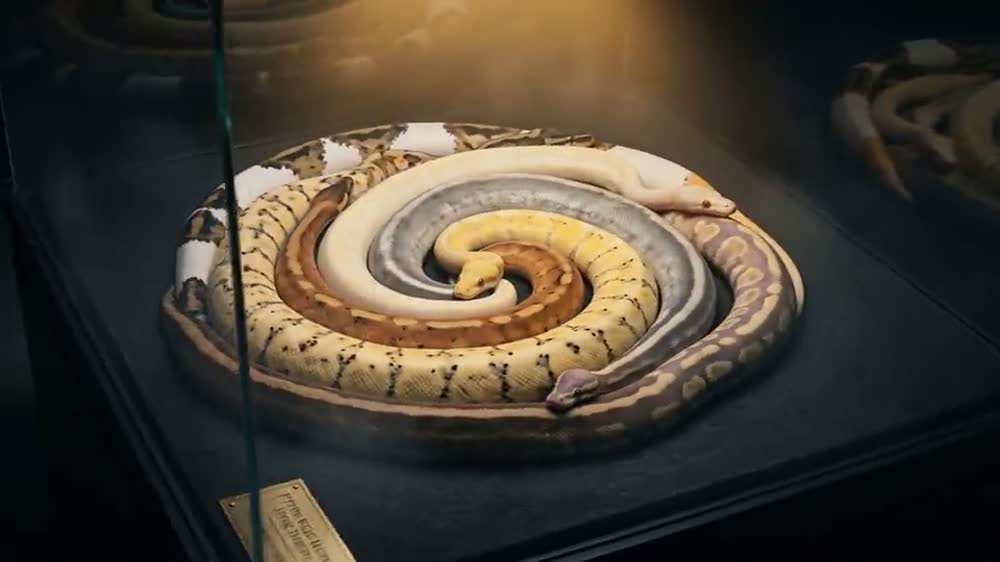
A pioneer of the American reptile hobby and industry who helped bring landmark animals, including the first albino Burmese python, into the field.
Ty Park
06
Still contributing

Ty Park

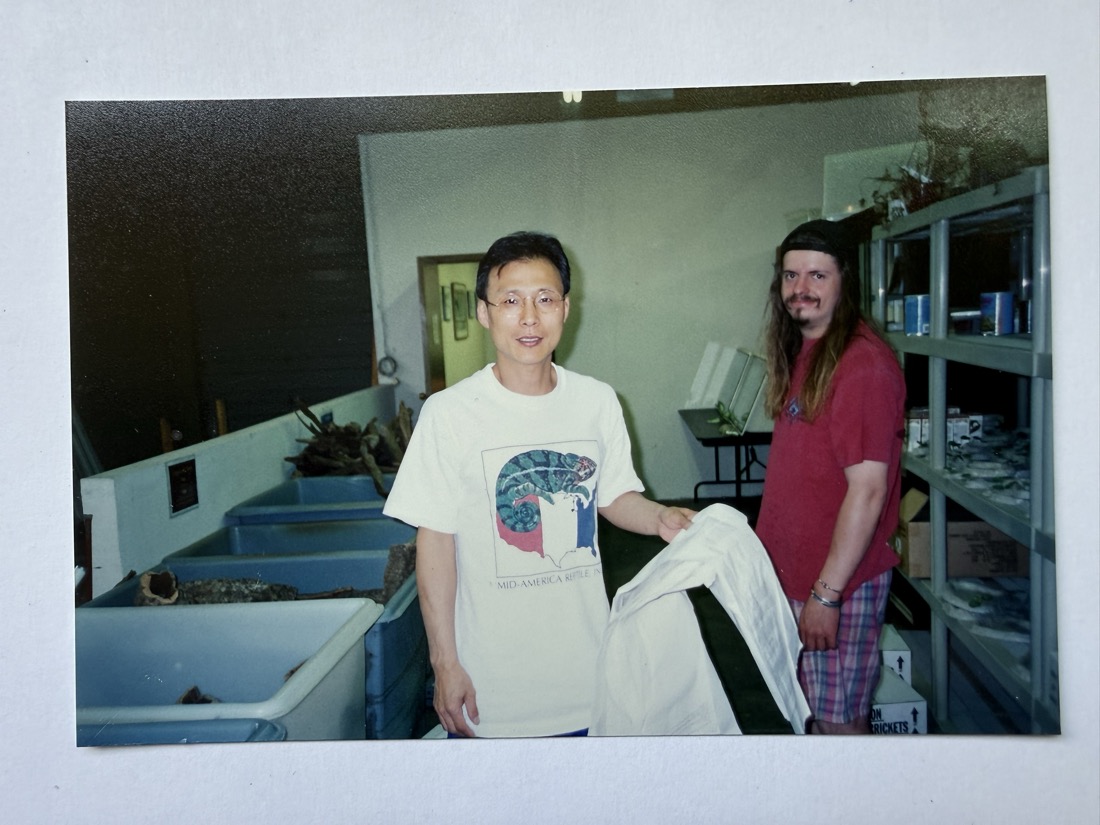
Built one of the largest living reptile collections in the world, helped push reptile product development forward, and set an example for high-level zoological operation.
Kevin McCurley
07
Still contributing

Kevin McCurley

Founder of NERD; a fountain of knowledge across husbandry, behavior, breeding, genetics, health, venom, socialization, and trust-based keeping.
Wes Mannion
08
Still contributing

Wes Mannion

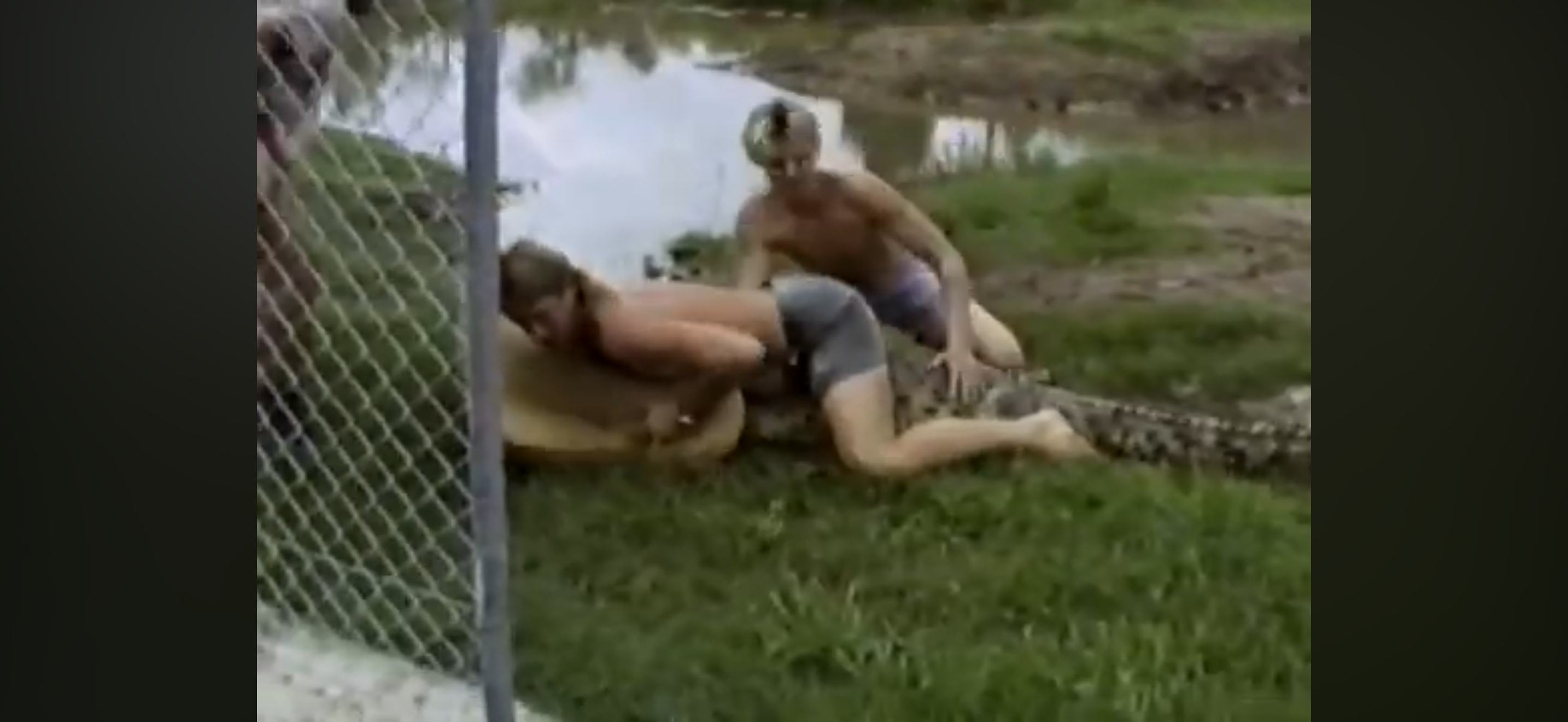
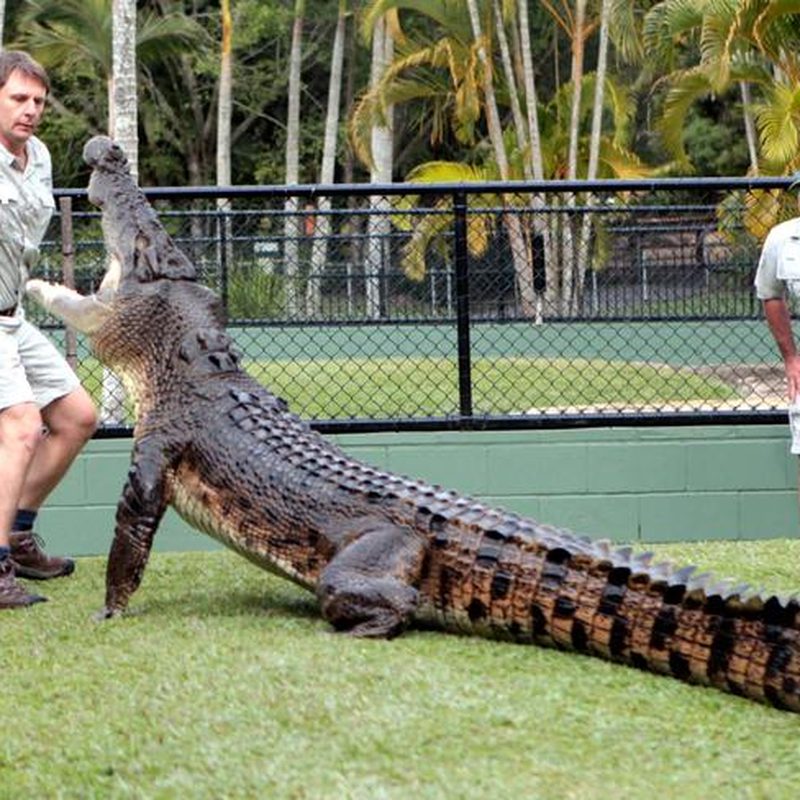
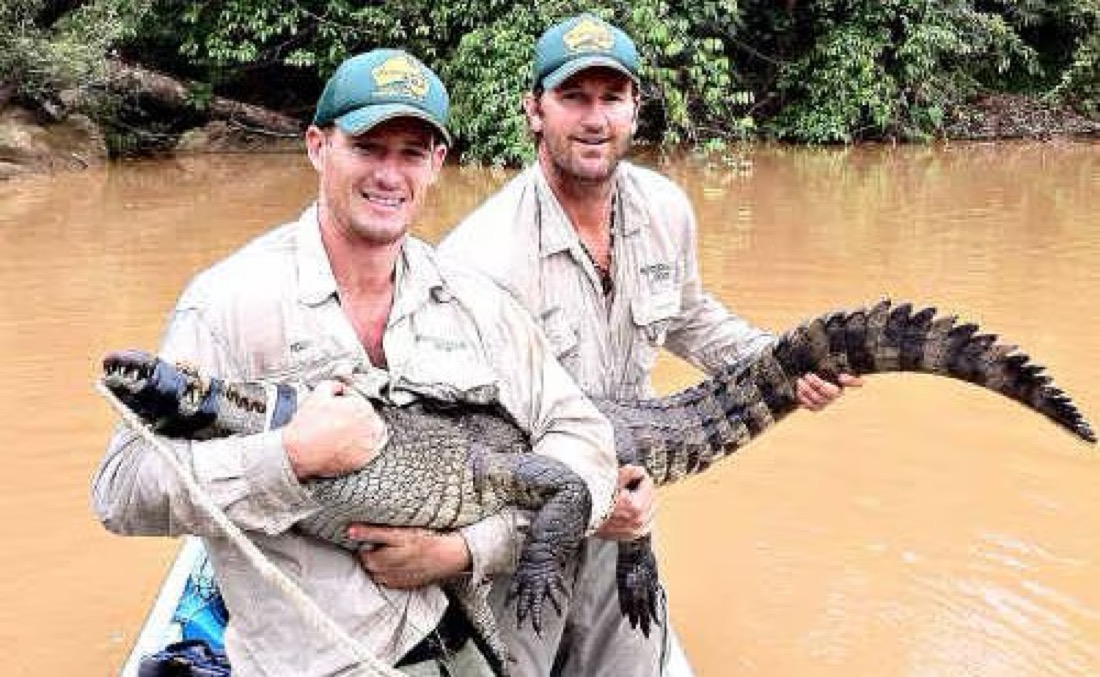
One of the greatest crocodile handlers alive; the Australia Zoo lineage and the people he helped train deserve preservation.

Likenesses shown in recognition of each individual's contribution to the field. Inclusion here honors that contribution and implies no endorsement.

// Who we're looking for

We are building with people whose standards match their knowledge.
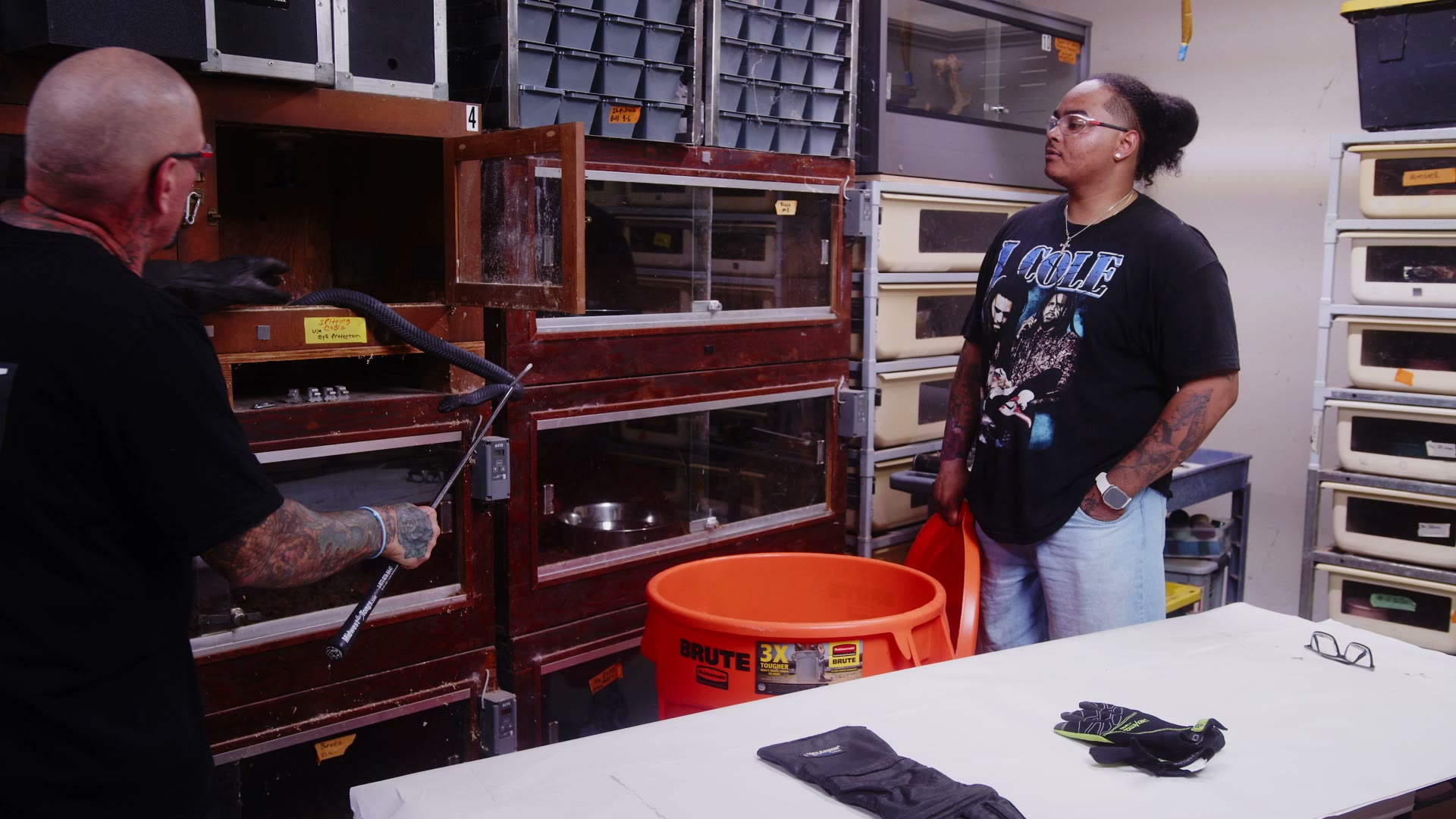
Knowledge matters, but knowledge alone is not enough. The Citadel is looking for people whose experience is matched by humility, integrity, discipline, and a genuine desire to help the next generation.
Science to standard
Science to standardAcademic work made usable.
Ethical operations
Ethical operationsFacilities, media, and animal respect.
Crocodilian infrastructure
Crocodilian infrastructureBuilding around powerful animals.
Public education
Public educationTurning attention into stewardship.
These four lanes are intentional: science that can become standards, operations that protect animals, crocodilian infrastructure that respects risk, and education that turns attention into stewardship.
01
This is not being built around ego, popularity, or noise. It is being built around stewardship: people who share knowledge carefully, responsibly, and with respect for the animals and the students learning from them.
People who care about
the animalseducationconservationthe communitysharing what they know

Bring good people together.

Preserve what matters.

Help move the reptile community forward.

// The faculty

A faculty built to carry the whole field.

The Citadel only works if the faculty reflects the full weight of the reptile world: the pioneers, the zoological operators, the breeders, the venomous professionals, the crocodilian experts, the educators, the academics, the conservationists, the people building serious operations today, and the students serious enough to carry the work forward. No single person can carry the whole field. That is why this has to be built as a faculty, not a personality platform.
We need different perspectives because reptile knowledge does not come from one kind of life. A breeder sees things a field researcher may never see. A venomous keeper understands risks a hobbyist may never face. A zoological operator thinks in systems, scale, and protocols. An academic brings research discipline and scientific structure. An educator knows how to turn fear into understanding. A conservationist sees the connection between animals, habitat, law, and public trust. A newer serious keeper may understand where the next generation is confused in a way the old guard does not.
Together, they contribute across the Citadel's 13 core disciplines
  • Husbandry
  • Nutrition
  • Behavior & Handling
  • Socialization & Bond Building
  • Breeding
  • Genetics
  • Anatomy & Physiology
  • Veterinary Medicine & Clinical Care
  • Venomous Animals & Toxicology
  • Zoological & Large-Scale Operations
  • Conservation, Research & Human-Wildlife Conflict
  • Education, Media & Public Communication
  • Legislation & Regulatory Policy
Confirmed faculty
Plaistow · NH

Kevin McCurley

Chief Academic Officer

New England Reptile (NERD)

Behavior · Husbandry · Genetics · Breeding · Health · Socialization

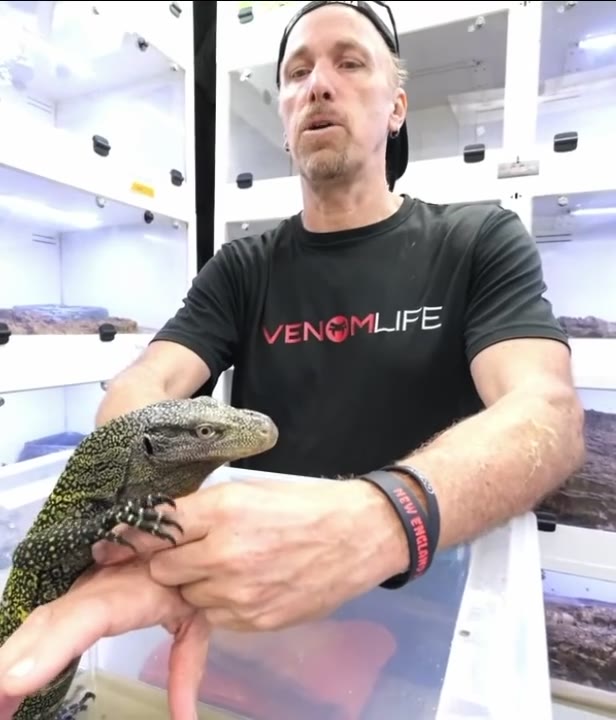
Kevin's work has influenced generations of keepers through reptile behavior, trust-based husbandry, breeding, genetics, health, venomous work, and socialization. He is a fountain of information: able to talk for hours about parasites, then shift into pathogens, venom, breeding, animal ailments, behavior, genetics, or husbandry with real depth. As Chief Academic Officer, his role is to help set the academic standard and make sure the education carries the seriousness this field deserves. Preserved through the Citadel, that knowledge can continue guiding future keepers long after the lessons were first learned.
Florida · USA

Tom Crutchfield

Principal Advisor

Crutchfield Reptiles

Breeding · Importation · Venomous · History · Husbandry

Tom's career spans much of the modern history of reptile keeping. Through decades of breeding, education, exploration, importation, and industry leadership, he helped shape the field many keepers know today. He helped bring landmark animals into the American reptile world, including the first albino Burmese python and other species that changed what people believed could be kept, bred, and understood. His experience connects the community's past with its future, ensuring the next generation understands not only how the field works, but how it was built.
St. Cloud · FL

George Van Horn

Principal Advisor

Reptile World Serpentarium

Venomous · Venom collection · Education

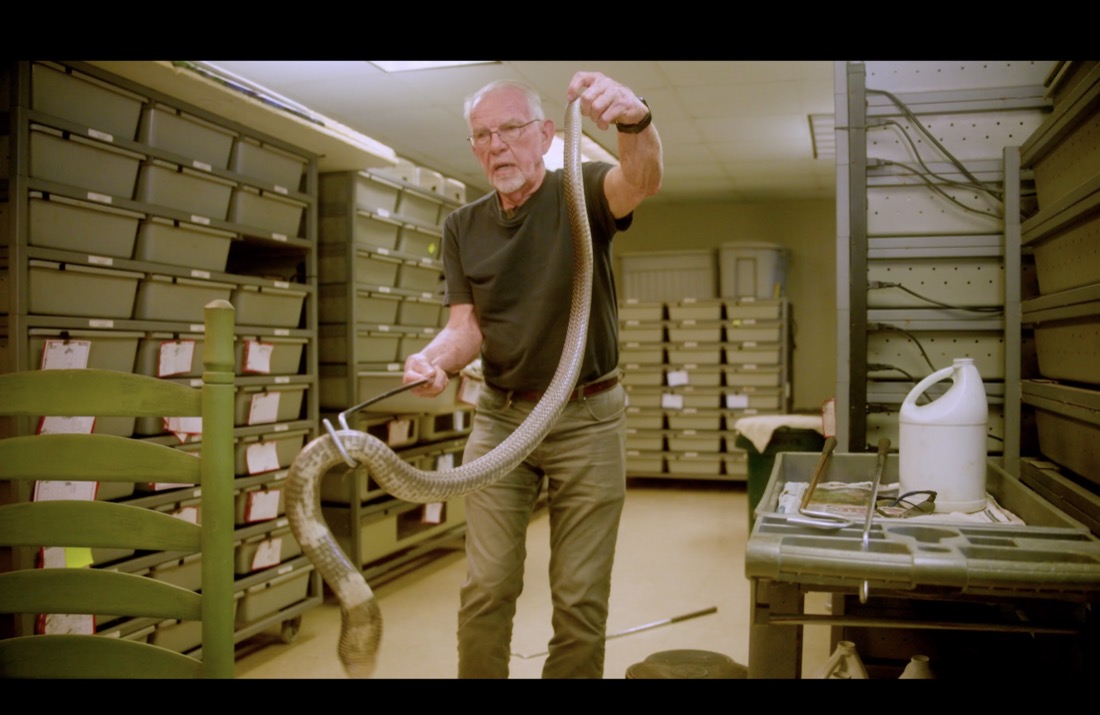
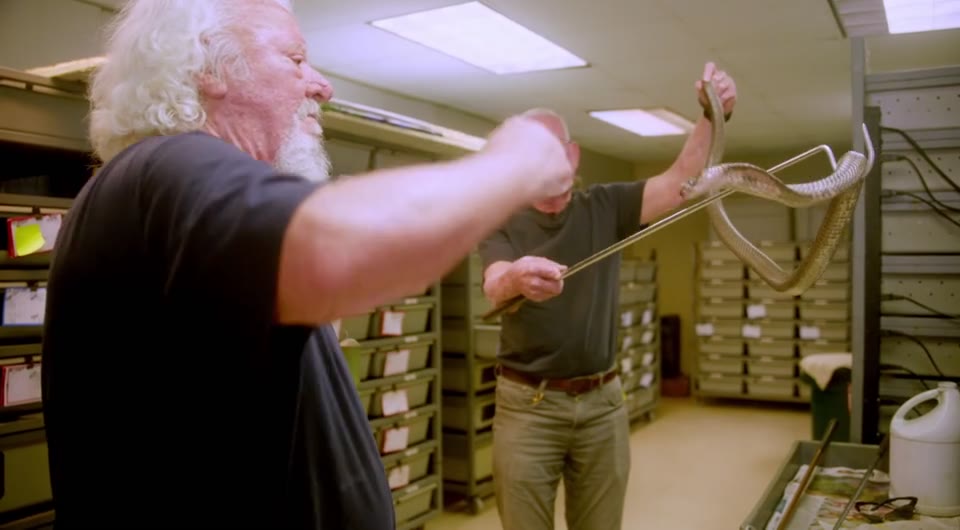
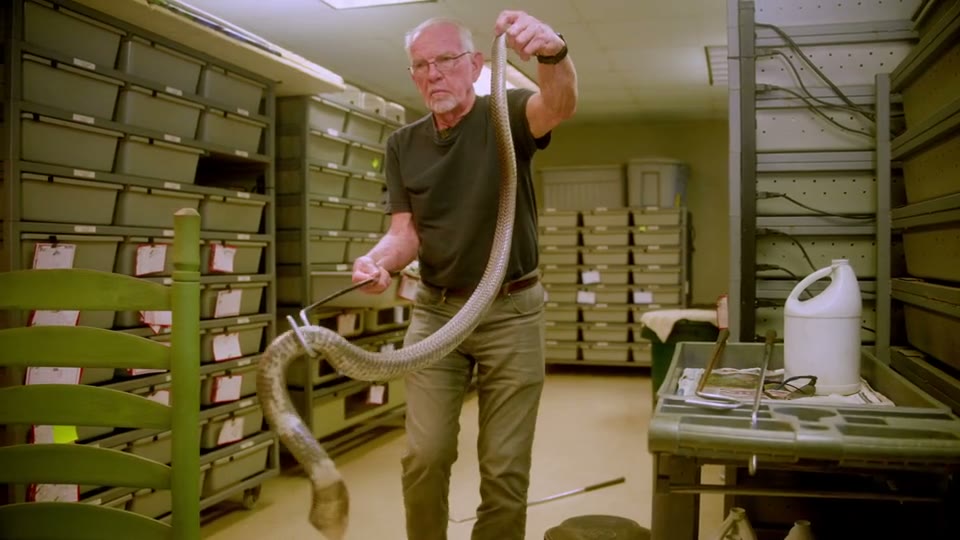
George's lifetime of work with venomous reptiles carries a body of practical knowledge few people on earth possess. It proves the importance of experience, discipline, safety, calm judgment, and respect when working with some of the world's most misunderstood animals. His work connects venomous keeping to medicine, public education, professionalism, and purpose. Through the Citadel, those lessons can continue serving future generations.
Florida · USA

Stacy Crutchfield

Senior Advisor

Crutchfield Reptiles

Behavior · Socialization · Interpretation · Public engagement

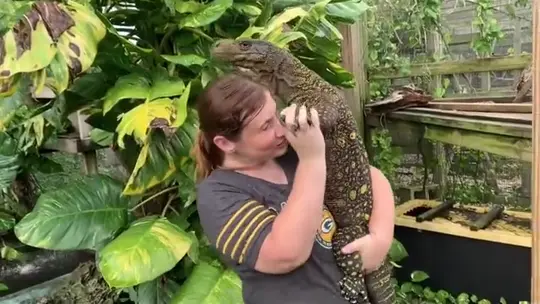
Stacy's work in behavior, socialization, interpretation, and public engagement has helped many people move from fear to understanding around animals they were taught to avoid. Her work makes clear that how we relate to an animal matters as much as how we house it: reading behavior, building confidence, lowering fear, and teaching respect. She brings visible leadership for female keepers and shows that serious reptile work can be skilled, warm, confident, and responsible at the same time. Preserved through the Citadel, that understanding can help future keepers and the public build the same confidence and responsibility.
Dr. Steve Dinkelacker
Framingham State University

Dr. Steve Dinkelacker

Senior Advisor & Curriculum Authority · Ph.D.

Herpetologist & Biology Professor

Curriculum development · Academic standards · Scientific rigor

Dr. Dinkelacker brings the academic side into the same faculty table as the rest of the experts. He will help with curriculum development, educational structure, academic standards, scientific rigor, and the bridge between formal biology and practical reptile work as a senior advisor and curriculum authority. His role matters because he brings scholarship without being detached from the animals, and the Citadel needs both research discipline and real animal experience working together.
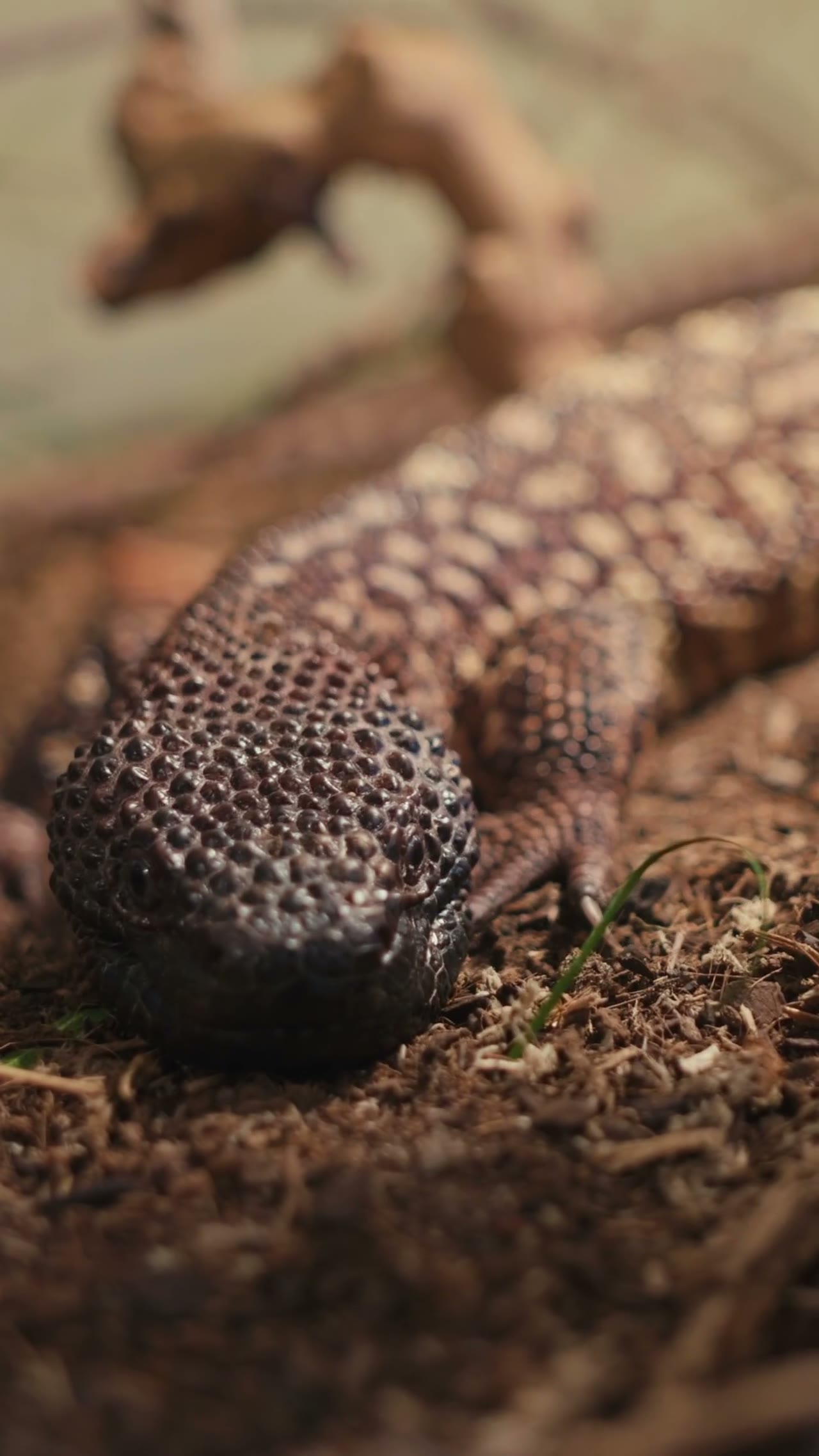
Venomous · Beaded lizards

Steve Angeli

Senior Advisor

Heloderma Angeli

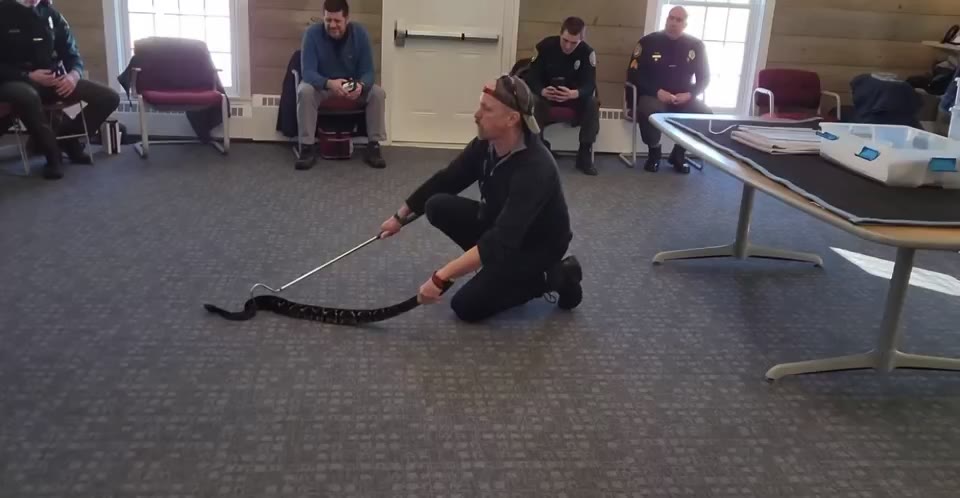
Heloderma · Venomous snakes · Terrapins · Licensing

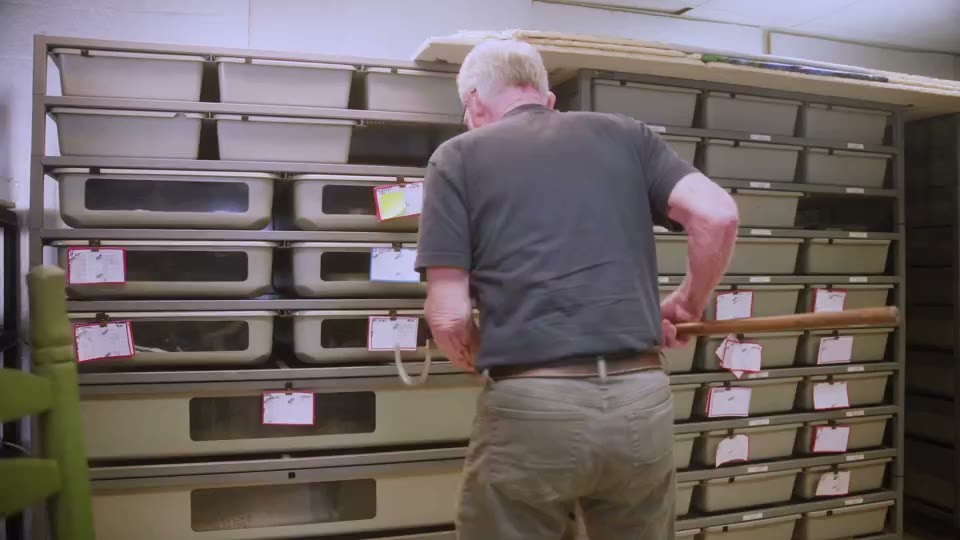
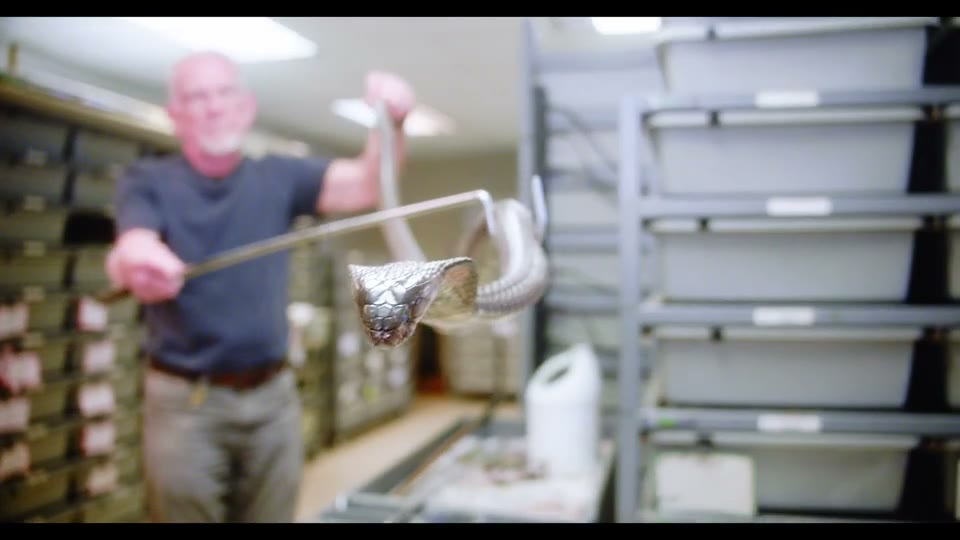
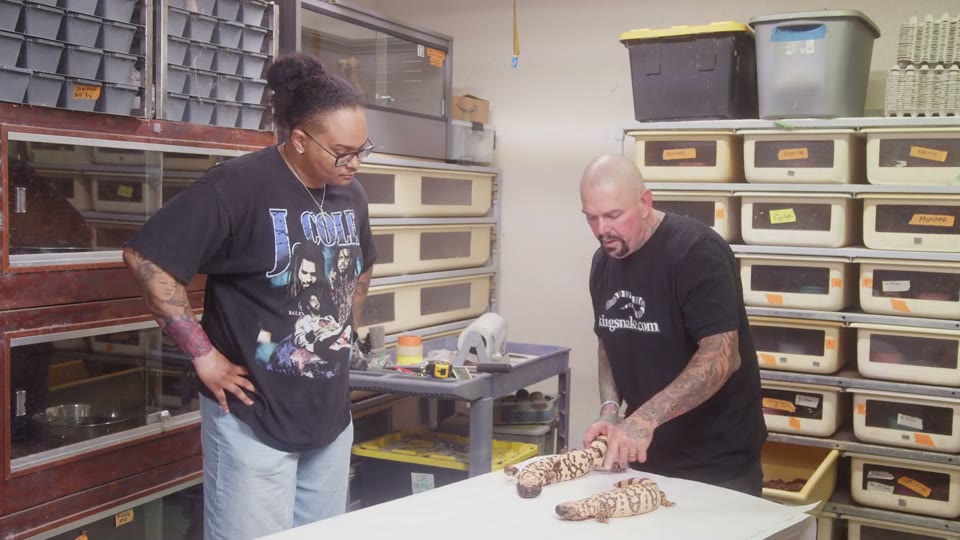
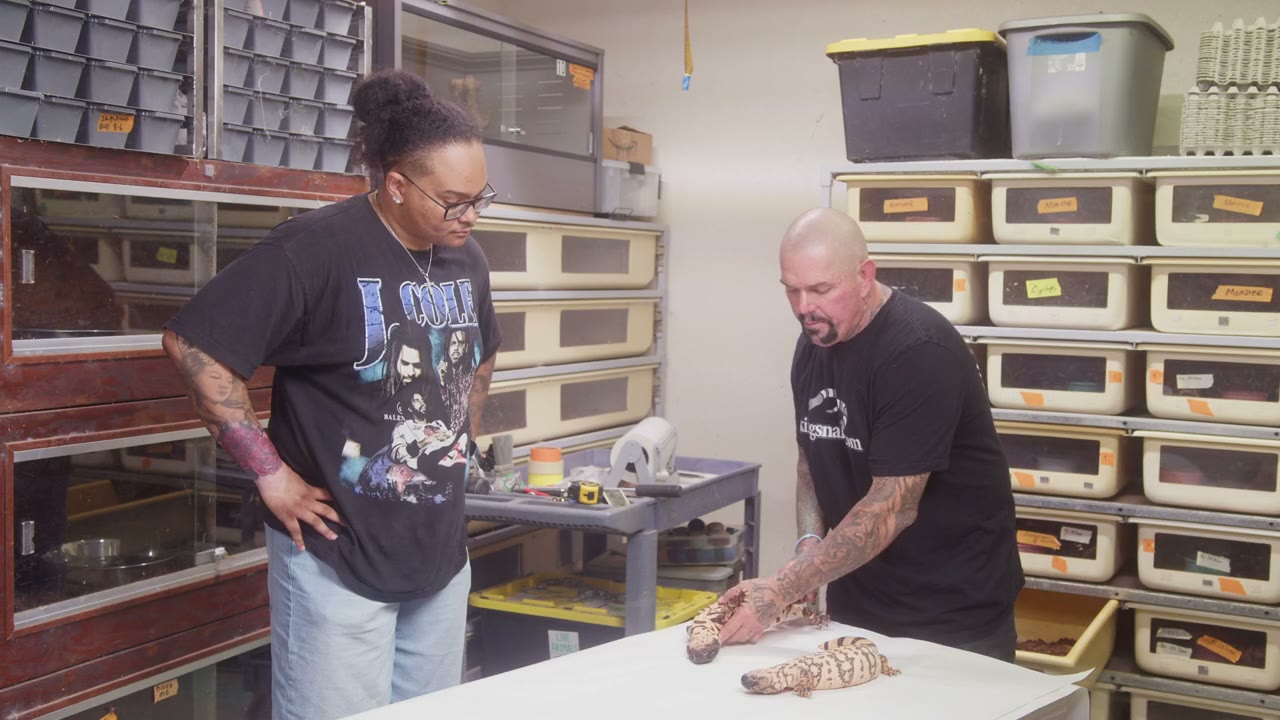
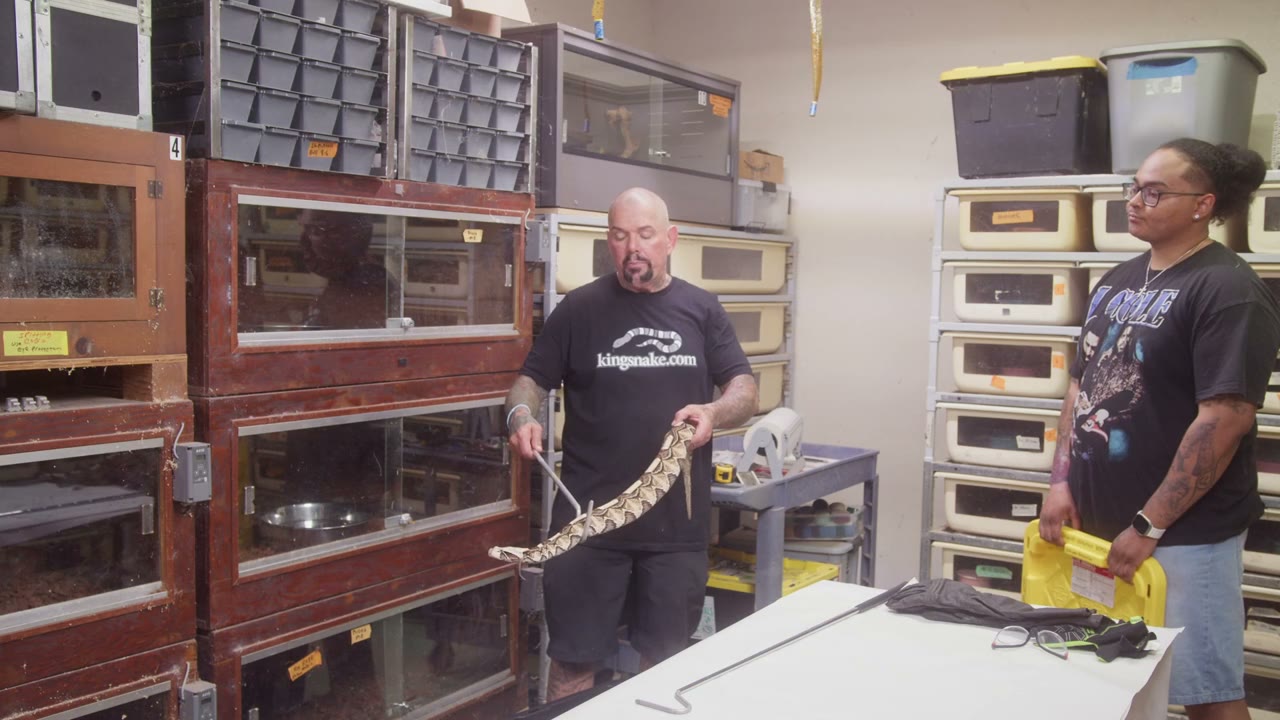
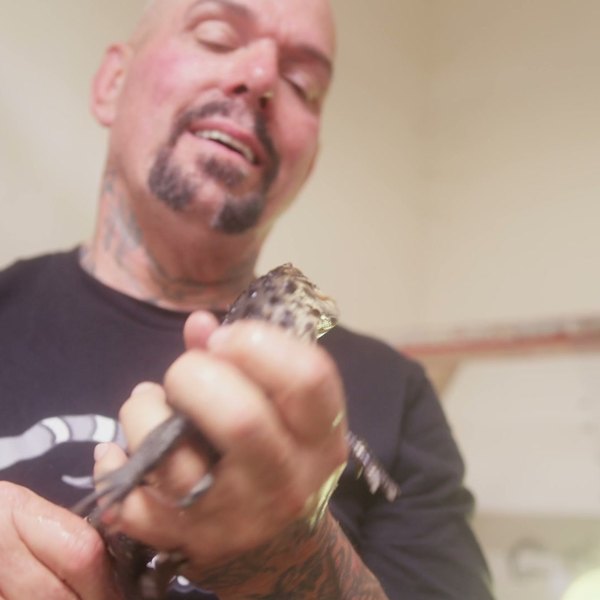
Steve has spent years developing expertise in Heloderma and other demanding venomous lizards, while also breeding diamondback terrapins and venomous snakes that help supply venom laboratories. His work makes clear how specialized husbandry is earned through focus, breeding success, safety, licensing mentorship, and care. Braxton trains under Steve for venomous handling alongside two other young men working toward their permits. Preserved through the Citadel, that mentorship and specialized knowledge do not have to be lost to a single generation.
Punta Gorda · FL

Ty Park

Principal Advisor

Iguanaland

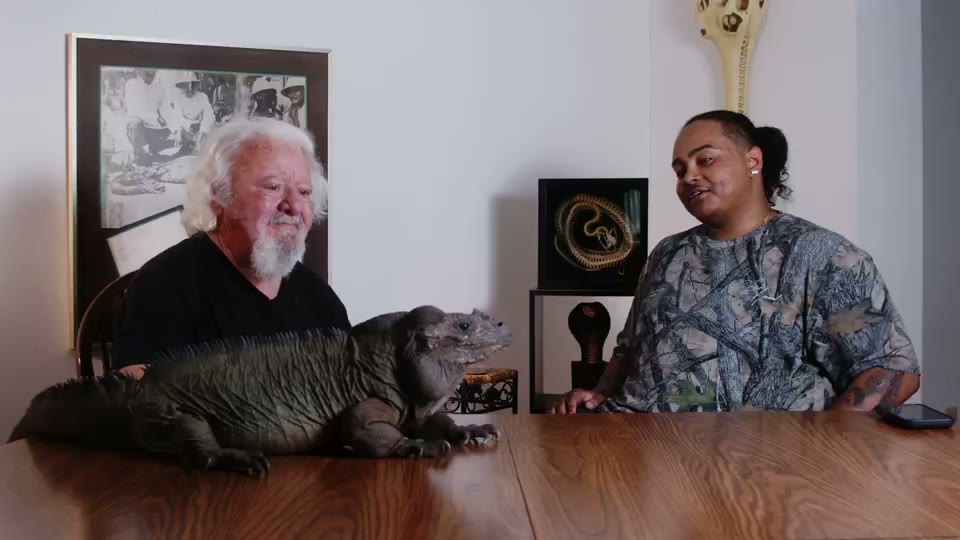
Zoological operations · Product development · Bearded dragons · Chelonians

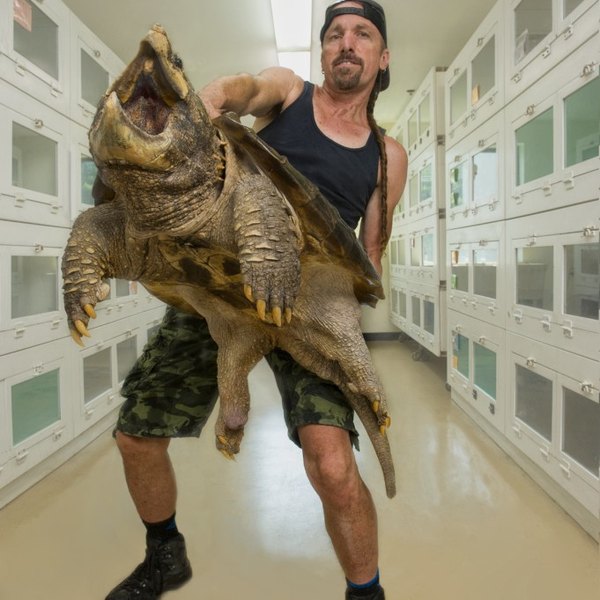
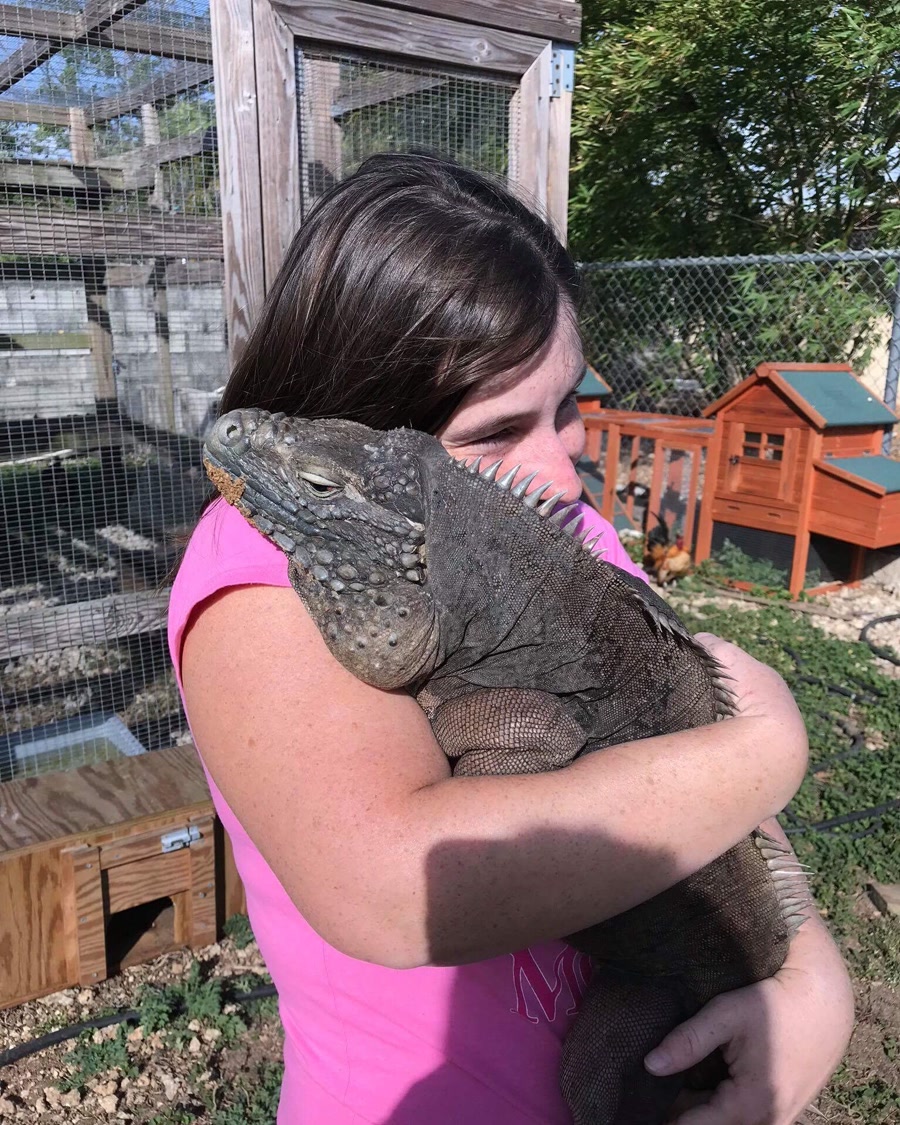
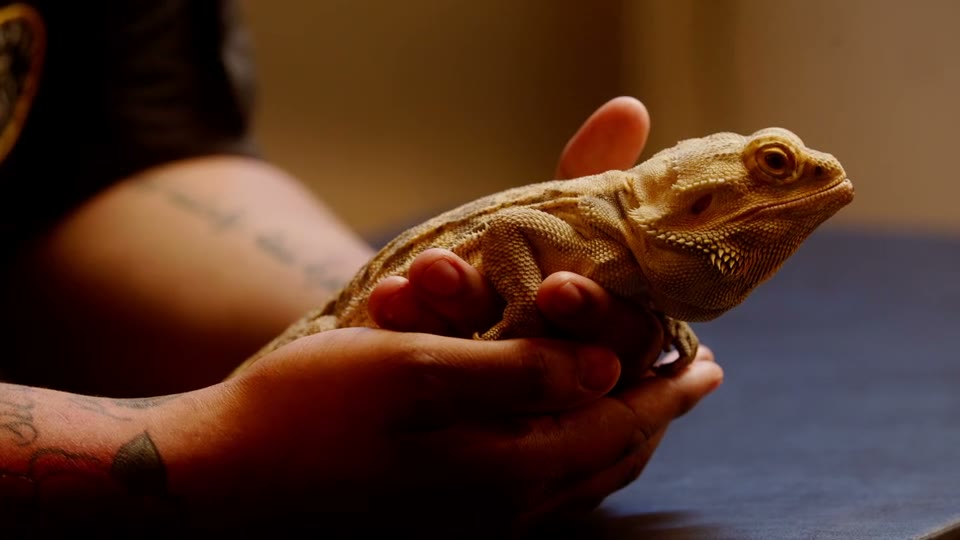
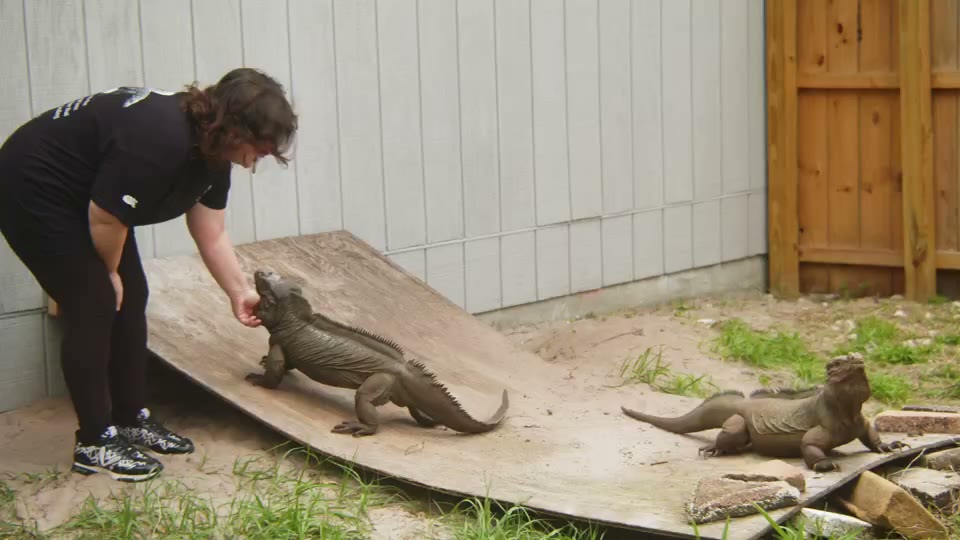
Ty has built one of the most extensive living reptile collections in the world, spanning hundreds of species. Before many reptile products existed commercially, he was at the forefront of developing tools, supplies, and systems keepers needed in order to do the work better. He was also one of the biggest bearded dragon breeders around, with serious work across chameleons, tortoises, rhino iguanas, iguanas, chelonians, and rare species. Preserved through the Citadel, those breeding, husbandry, product-development, and operational lessons can guide the keepers and institutions that follow.
Chris Gillette
Florida · USA

Chris Gillette

Senior Advisor

Wildlife & Zoological Operations

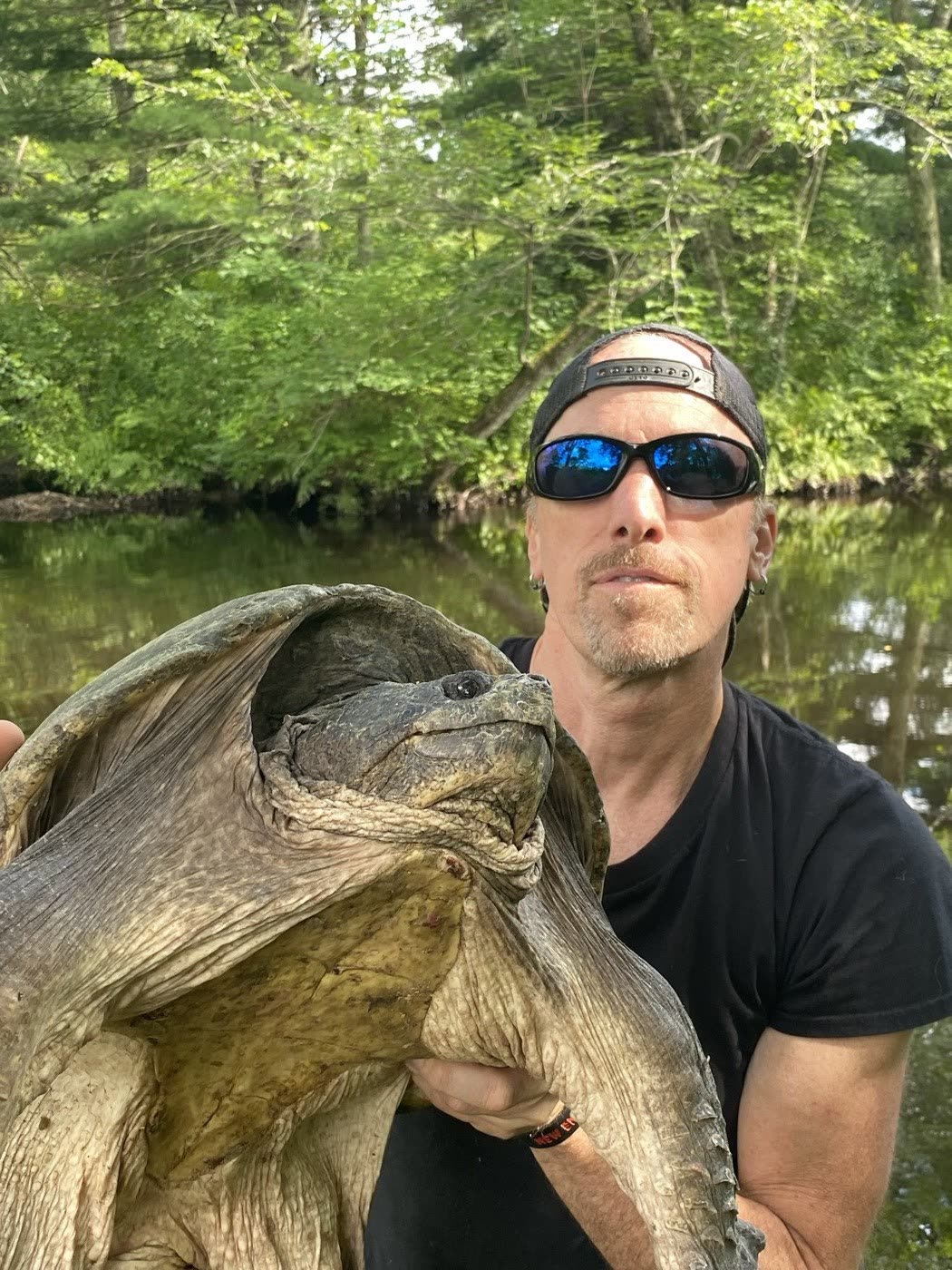
Crocodilians · Field work · Zoological operations · Education

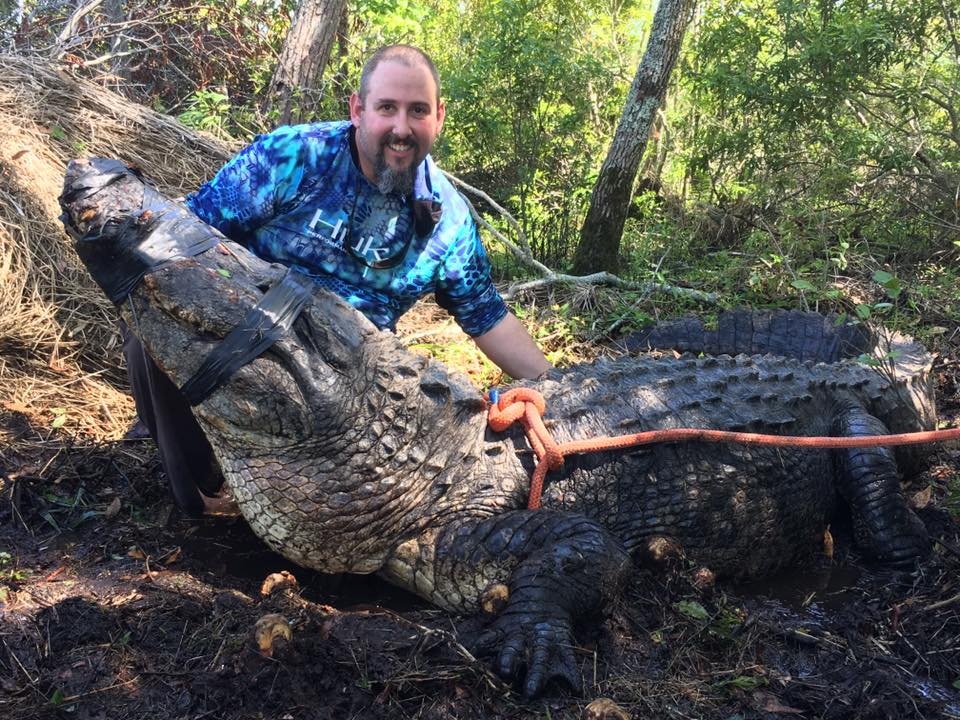
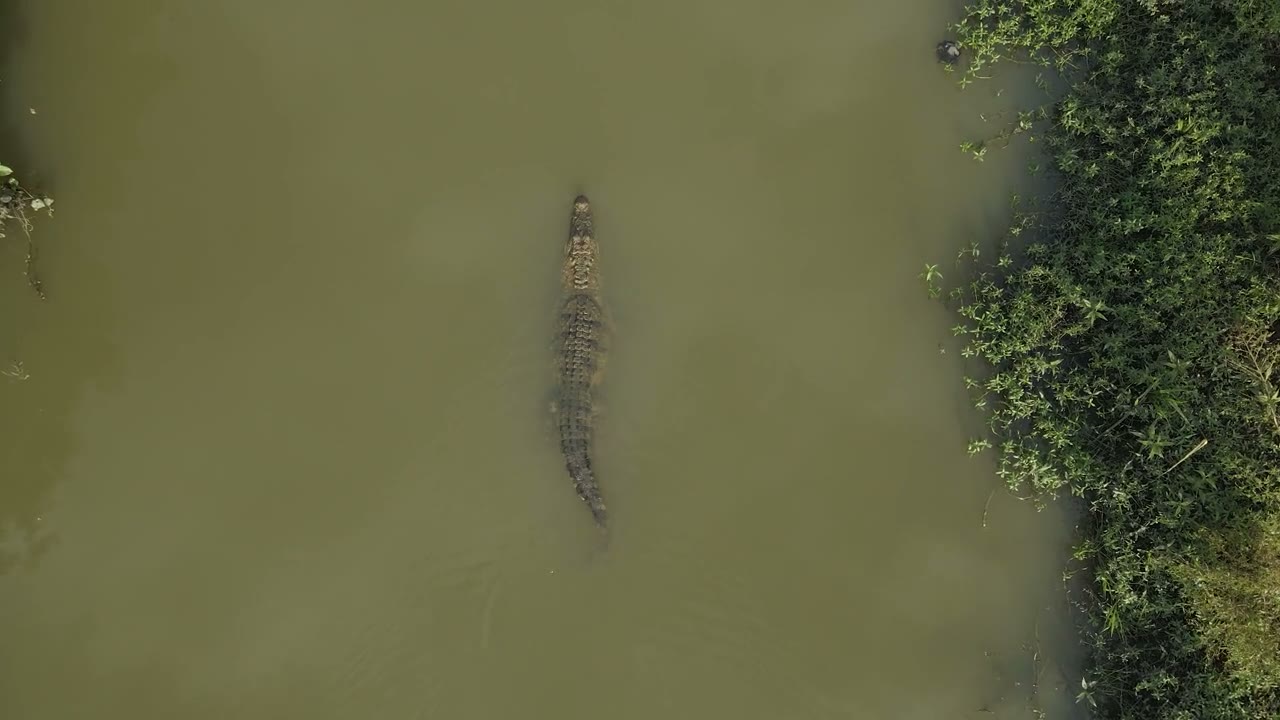
Chris brings ethics, animal knowledge, finesse, and public education together in a way that fits the Citadel's mission. He is a great role model for the next generation because he shows that you can make wildlife content engaging without being reckless, sensational, or careless with the animals. His work is built on real understanding: behavior, timing, facility standards, field experience, crocodilian handling, and respect for what these animals are capable of. That balance matters for the future of public wildlife education.
Students of the work

Tyler Bevers · Jasmyn Brilliante · Braxton Warren

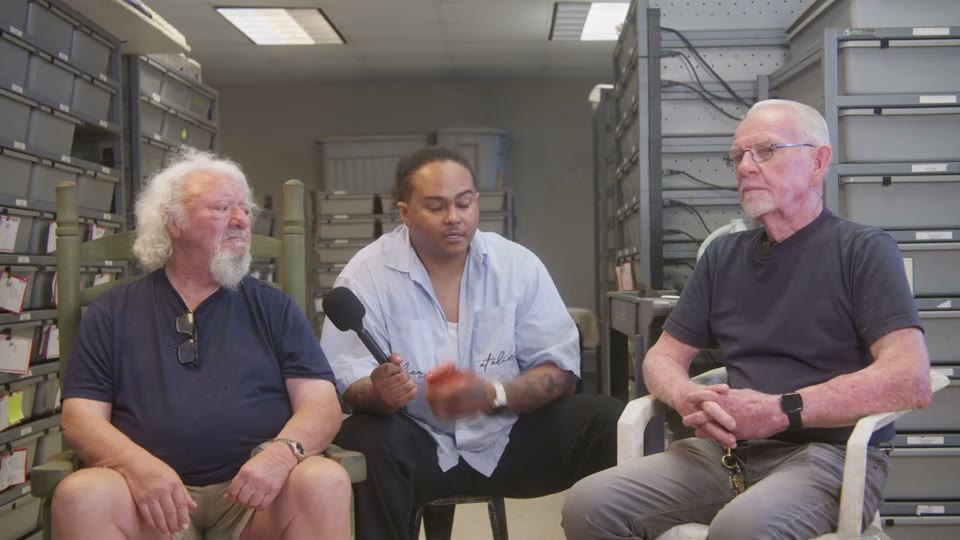
Tyler, Jasmyn, and Brax are here in a smaller and very different role. They are students and stewards of this knowledge: listening, organizing, applying the lessons, and trying to walk in a way that honors what the faculty have earned. Brax's role as CEO, knowledge architect, and host is to gather the wisdom, shape the conversations, and turn the work into organized education. Together, Tyler, Jasmyn, and Brax help with general support, first-line coaching, moderation, organization, and routing advanced questions to the experts. Their responsibility is to protect the day-to-day structure around the faculty's wisdom, not to pretend to be the source of it.
People we still want to bring in

People we still want to bring in

This area stays separate from confirmed faculty. These are people we still want involved because each one would strengthen a specific part of the institution. The goal is not to collect names. The goal is to bring in the people whose knowledge would fill important gaps: crocodilian lineage, venom production, public education, academic translation, veterinary medicine, chelonian conservation, monitor husbandry, and serious next-generation operations.
This faculty is the bridge between what the field has learned and what the next generation needs. Every course, ebook, interview, demonstration, community discussion, and educational resource created through the Citadel becomes part of a larger body of knowledge: one built from real experience, held to a higher standard, and designed to serve the animals, the keepers, and the future of the reptile world.
// Why institutions matter

Knowledge needs somewhere to live.

Important knowledge does not survive by accident. It survives because people choose to protect it, organize it, teach it, and pass it forward. Every serious field eventually needs institutions: places that create continuity, preserve standards, and make sure the work of one generation does not disappear before the next generation can build on it.
Venomous
Venomous
Pioneer
Pioneer
Operations
Operations
Standard
Standard
01
The reptile world has the people. It has the experience. It has the passion. What it has not had is one dedicated place built to gather that knowledge, organize it responsibly, and make it easier for serious keepers to learn from the full field. The Citadel is not claiming to own that knowledge. We are trying to help give it a home.
02

Stronger together

03

A home for the field

04

For the animals

05

Looking forward

The Citadel is being built to preserve, organize, and pass forward reptile knowledge so the field can become stronger than any one person, facility, or generation.
// The Culebra ecosystem

An ecosystem of quality, built from first interest to advanced operation.
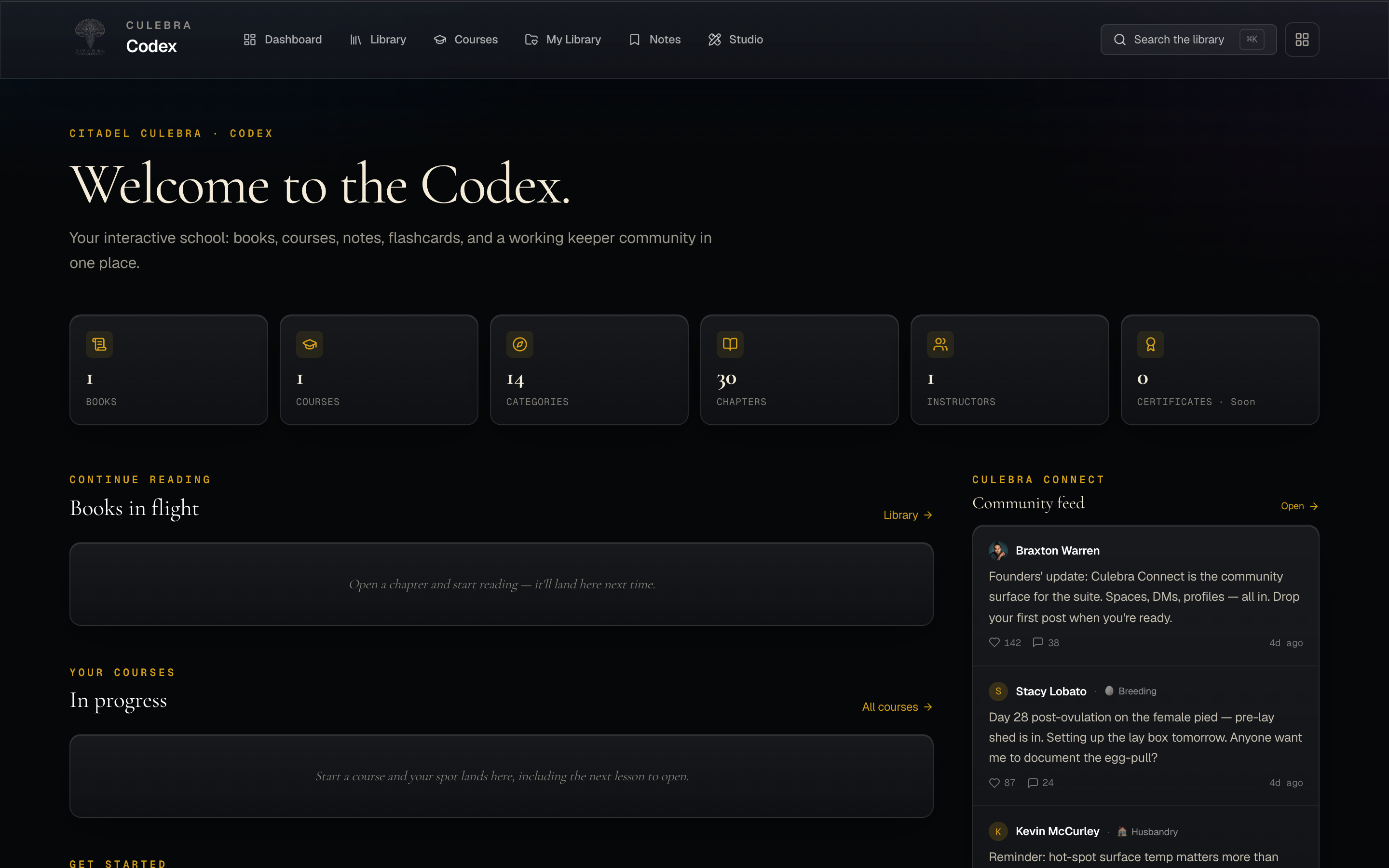
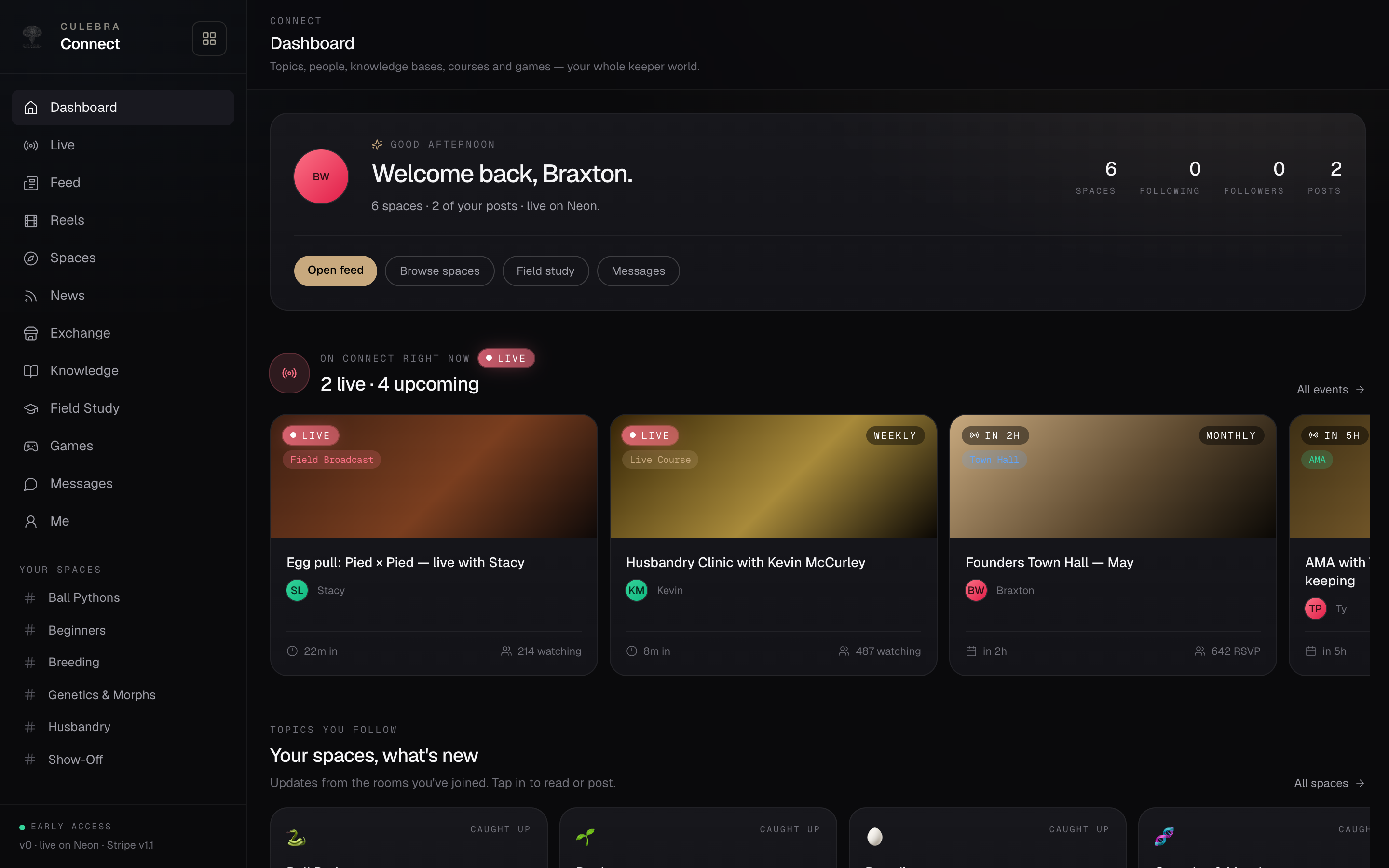
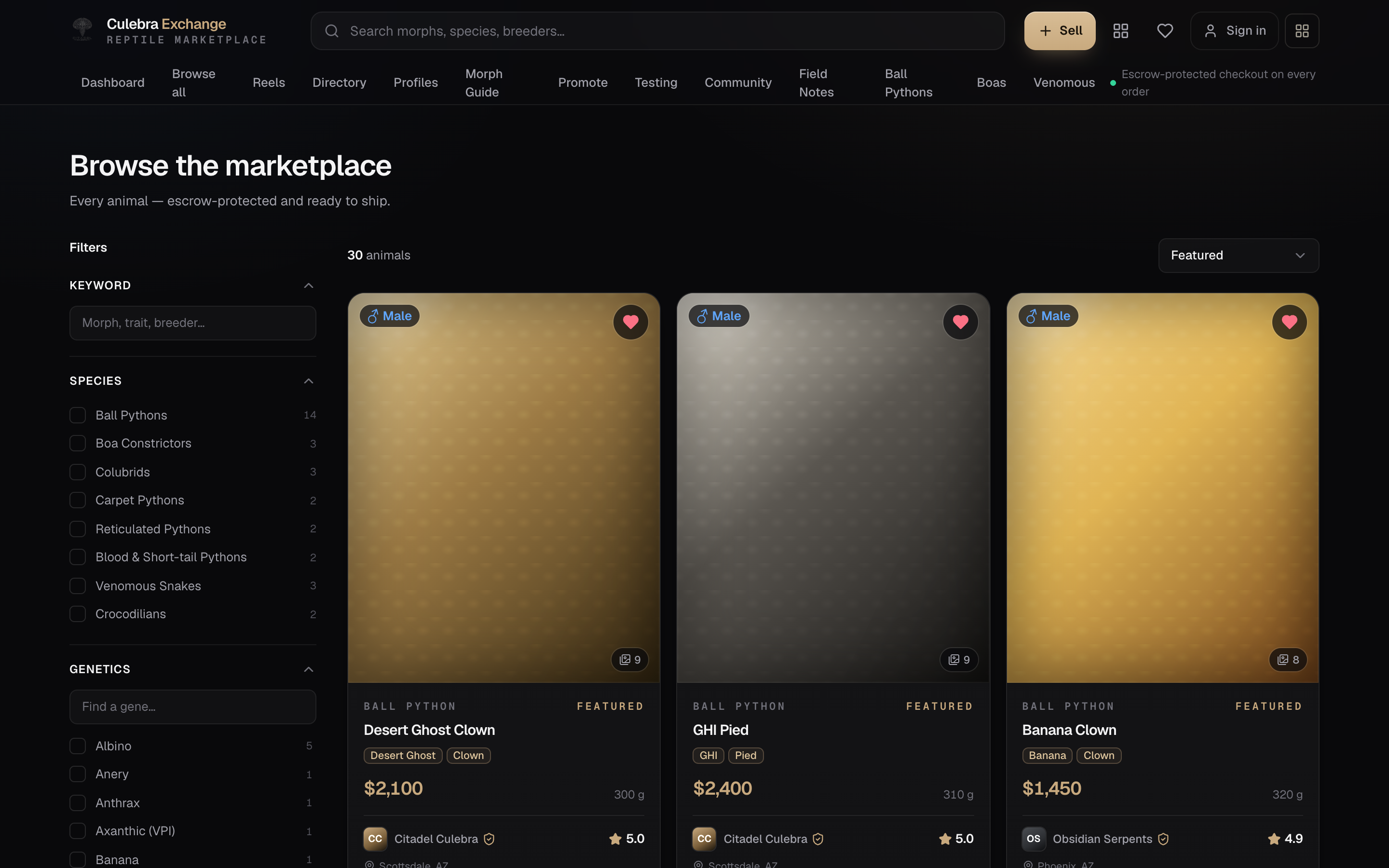
Citadel Culebra is not being built as one course, one community, or one website. It is being built as a full student ecosystem: a connected path for everyone from a first-time enthusiast to a serious breeder, a venomous keeper, a public educator, or a zoo owner. The goal is quality at every step: quality education, quality community, quality records, quality commerce, quality mentorship, and quality standards around the animals.
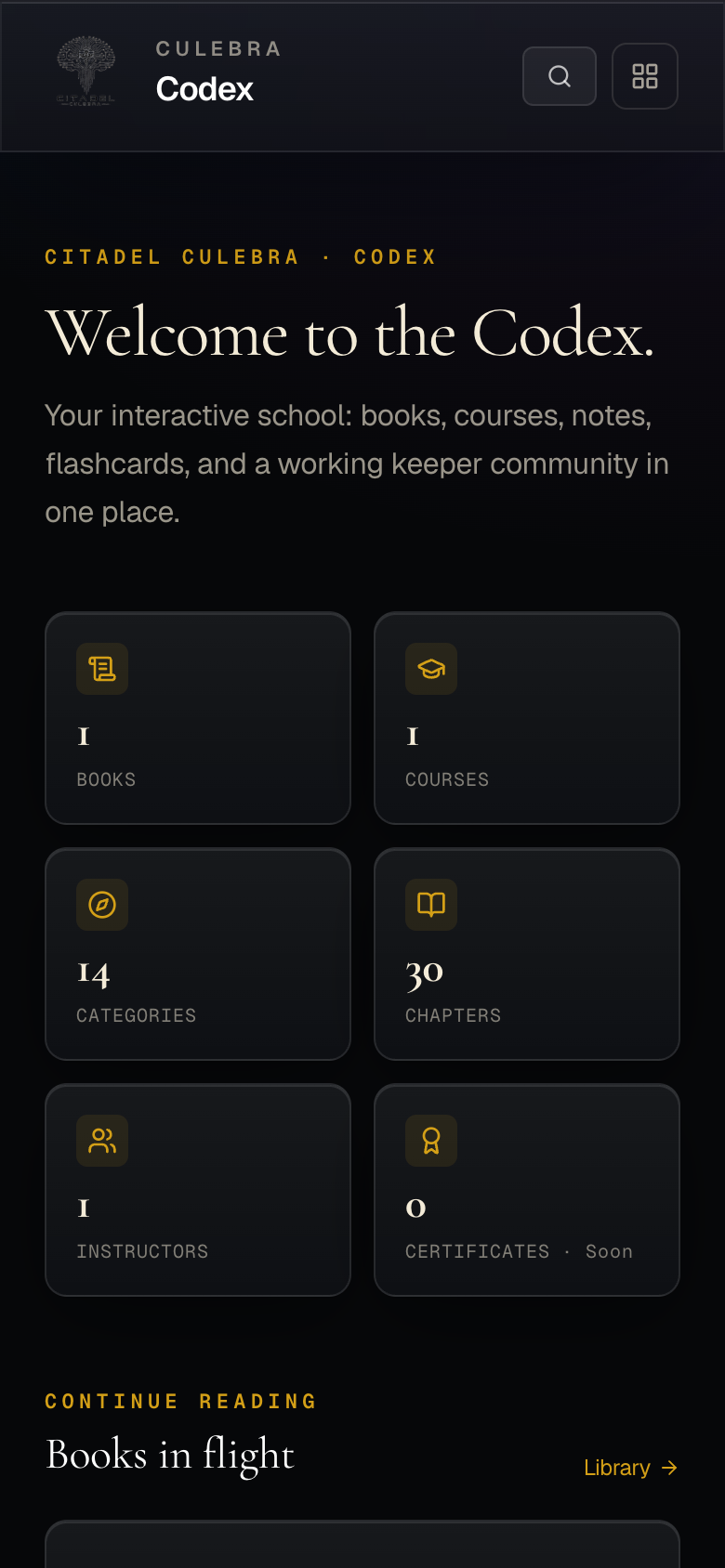
Culebra Codex
Live now

Culebra Codex

The library
Culebra Connect
Live now

Culebra Connect

The community
Culebra Exchange
Summer 2026

Culebra Exchange

The marketplace
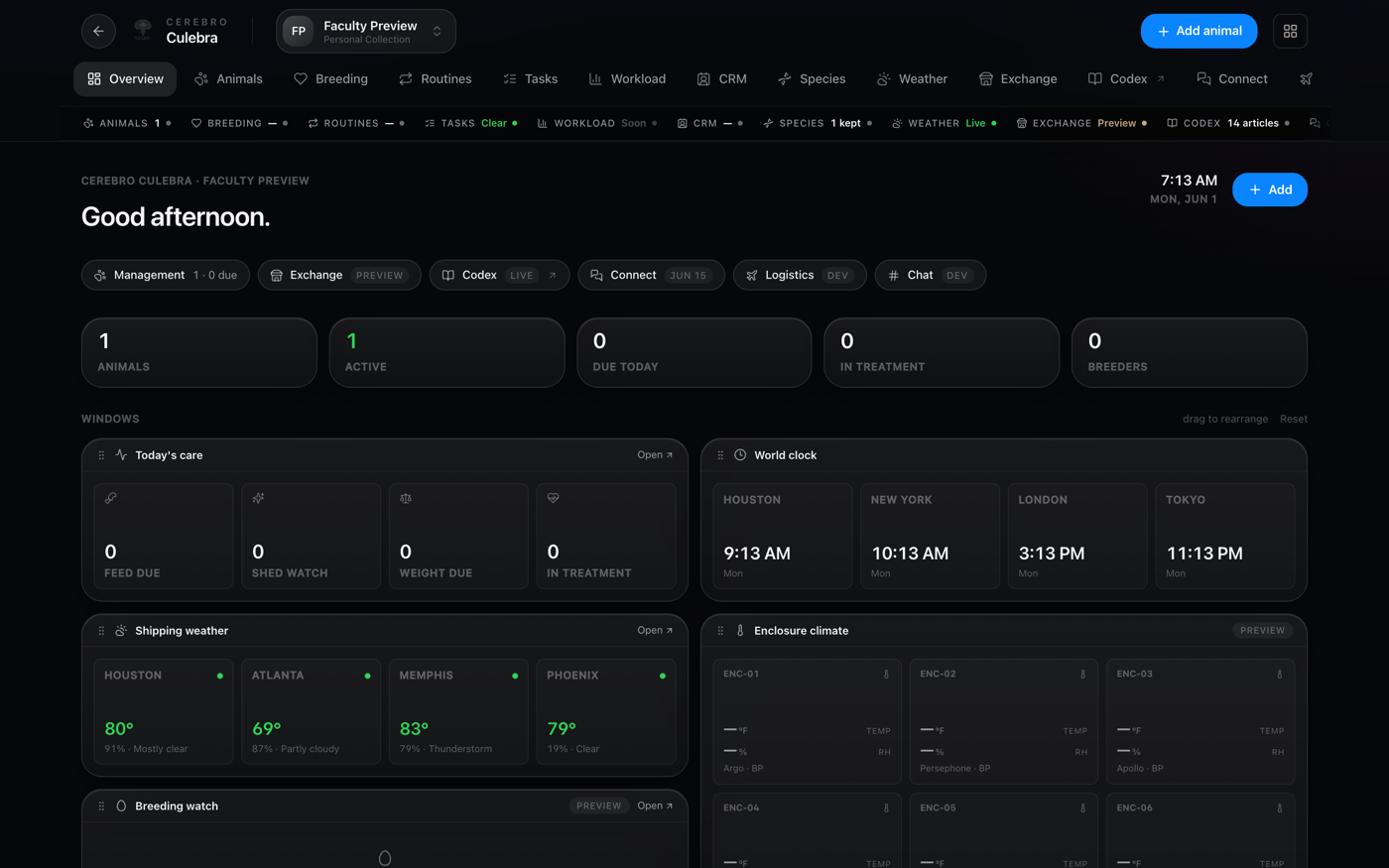
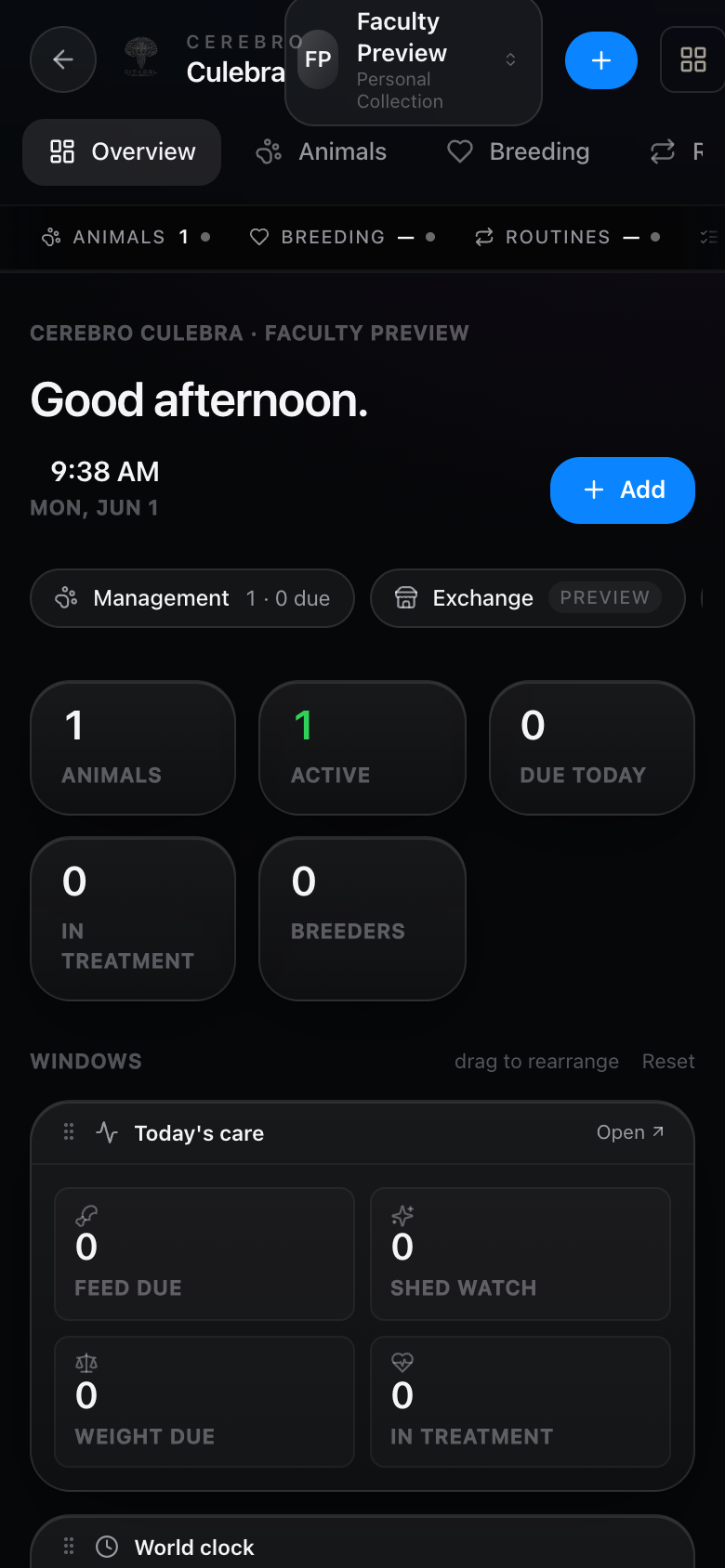
Cerebro Culebra
Summer 2026

Cerebro Culebra

The operations platform
Together, these platforms create a complete ecosystem of quality. Codex organizes the knowledge. Connect keeps students and keepers learning together. Exchange supports responsible commerce across animals, supplies, vendors, and equipment. Cerebro helps people manage animals and operations with better records. Each piece serves a different purpose, but all of it supports the same mission: better education, better keepers, better animal care, stronger standards, and a reptile world where serious people have a clear path from their first animal to the highest levels of the field.
// The academic framework

The framework that turns scattered knowledge into a real pathway.
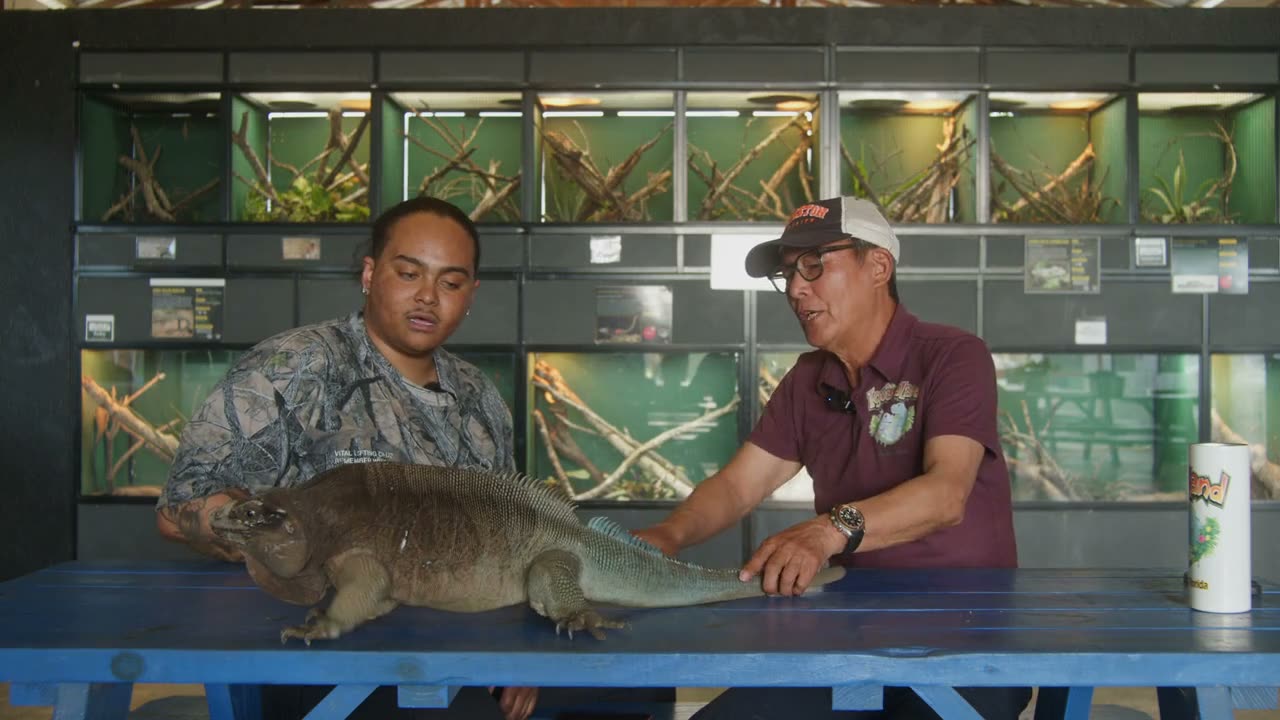
The Citadel is being built as an academic framework for the reptile field: a place where hard-earned experience, scientific understanding, professional standards, and responsible practice can live together. The goal is to organize scattered knowledge into a pathway a student can actually follow, from a first serious reptile to advanced breeding, venomous, zoological, conservation, or public education work.
In motion
Husbandry
Venomous
Breeding & Genetics
Behavior
Crocodilian
Nutrition
Core disciplines
01

Husbandry

02

Nutrition

03

Behavior & Handling

04

Socialization & Bond Building

05

Breeding

06

Genetics

07

Anatomy & Physiology

08

Veterinary Medicine & Clinical Care

09

Venomous Animals & Toxicology

10

Zoological & Large-Scale Operations

11

Conservation, Research & Human-Wildlife Conflict

12

Education, Media & Public Communication

13

Legislation & Regulatory Policy

Enclosure design, gradients, humidity, light, substrate, ventilation, hydration, cycling, enrichment, observation, and the daily systems that let reptiles thrive.
Species programs
The disciplines give the school its structure. Species programs make that knowledge practical across reticulated pythons, monitors, crocodilians, venomous reptiles, chelonians, geckos, chameleons, boas, and regional groups. This is where different faculty perspectives become a strength.
Reticulated PythonsMonitor LizardsCrocodiliansVenomous ReptilesCheloniansGeckosChameleonsBoasAustralian SpeciesAfrican SpeciesAsian SpeciesAmerican Species
How the knowledge becomes usable
We build courses, ebooks, guides, interviews, oral histories, demonstrations, live discussions, AMAs, research reviews, certificates, and searchable Codex resources. The point is not to force every expert into one format. The point is to capture your strongest knowledge in the form that teaches it best.
Digital CoursesMaster ClassesSpecies ProgramsEbooks & GuidesFaculty InterviewsOral HistoriesLive DiscussionsField DemonstrationsResearch ReviewsCertificatesCommunity LearningCodex Resources
This framework is meant to stay alive. Faculty review, correct, expand, and approve the material so the Citadel becomes more than another pile of information. It becomes a living school: searchable through the Codex, supported through the community, reinforced through real tools, and grounded in standards responsible keepers need.
// Faculty partnership & compensation

A serious institution has to support serious contributors.
The people we are asking to help build the Citadel have already given years of their lives to this field. Some built facilities, raised animals, preserved bloodlines, took risks, corrected mistakes, and mentored keepers through direct work. Others studied deeply, researched, taught, published, documented, and helped the field understand these animals through intellectual and academic contribution. All of it matters. If that knowledge is going to be preserved through the Citadel, the people contributing it should be respected as true partners, not treated like hired contributors giving up ownership.
Production
Production
Publishing
Publishing
Institution
Institution
01

We invest first

02

Shared ownership

03

Revenue sharing

04

Long-term partnership

05

Why this matters

Faculty are not being asked to finance production, build technology, edit videos, manage publishing, or become a media company. The Citadel covers the structure, production, editing, publishing, platform infrastructure, and distribution. Your role is to bring the knowledge, review the material, correct what needs correcting, and make sure the final product reflects your standards.
Reinvesting in the mission
Revenue generated through the Citadel goes back into strengthening the institution and the people, tools, and programs that make it useful.
// The vision

Build the institution the field should have had a long time ago.
The vision is bigger than courses, software, memberships, or content. Those are tools. The real vision is to build a lasting institution for reptile knowledge: a school, archive, community, technology ecosystem, and educational standard that honors the people who built the field and gives the next generation a clearer path than the one most of us had to walk.
Conservation
Conservation
Archive
Archive
Global work
Global work
Today

Founding faculty

Next

A working institution

Then

A global standard

The first responsibility is preservation. We are documenting the knowledge, stories, methods, research, husbandry systems, breeding lessons, handling protocols, conservation work, and operational standards carried by the people who have actually shaped the field. That includes the pioneers and OGs, the academics and researchers, the zoological operators, the venomous professionals, the crocodilian experts, the educators, and the serious newer operators who are already showing what the next era can look like.
Conservation through education
Everything ties back to conservation because every animal kept well matters. A keeper who understands husbandry, behavior, nutrition, health, records, legality, and ethics is less likely to fail the animal in front of them and more likely to become a responsible voice for the animals in the wild. Captive knowledge should not stop at the enclosure. It should support field research, habitat work, relocation, coexistence, snakebite education, public understanding, stronger policy conversations, and the global conservation work that gives these animals a future.
// A personal note

From Braxton Warren

A letter about stewardship, gratitude, and building this with the people who earned the knowledge.
If you have made it this far, thank you. More than anything, thank you for the work you have already done.
Learning from standards
Stories on record
Public connection
Academic bridge
Academic bridge
So, sincerely: thank you. Thank you for the work you have already done, the knowledge you have already carried, and the trust you have been willing to extend as we try to build this correctly. This is humbling, and I am deeply appreciative of every person helping us take the next step.
If this mission feels aligned with the work you have spent your life doing, I would be honored to build the Citadel with you, not above you, and not around you, but with you.

Respectfully,

Braxton Warren

Founder & CEO, Citadel Culebra

Preserve the Past. Advance the Present. Inspire the Future.

Citadel Culebra
// The invitation

Help ensure what you've learneddoesn't leave with you.

Every faculty member on this page has spent years — often decades — developing knowledge that did not come easily. Some of it was learned through success, some through failure, some through patience, observation, experimentation, and persistence. Much of it exists nowhere else.
The Citadel was built to help preserve that knowledge and make it available to the generations that follow.
We handle
  • the production
  • the structure
  • the publishing
  • the technology
  • the logistics
You bring the one thing we cannot create ourselves
  • Your experience.
  • Your perspective.
  • Your lessons.
  • Your story.
A hundred years from now, someone may still be learning from the knowledge you choose to share today. That is the opportunity. That is the responsibility. And that is the invitation.

Or reach the founder directly — brax@thewrngroup.com